
How does a hose pipe ban affect me using my hot tub?
Understand how a Temporary Use Ban (AKA Hose Pipe Ban) impacts using and maintaining your hot tub
10th July 2026 • 5 min read
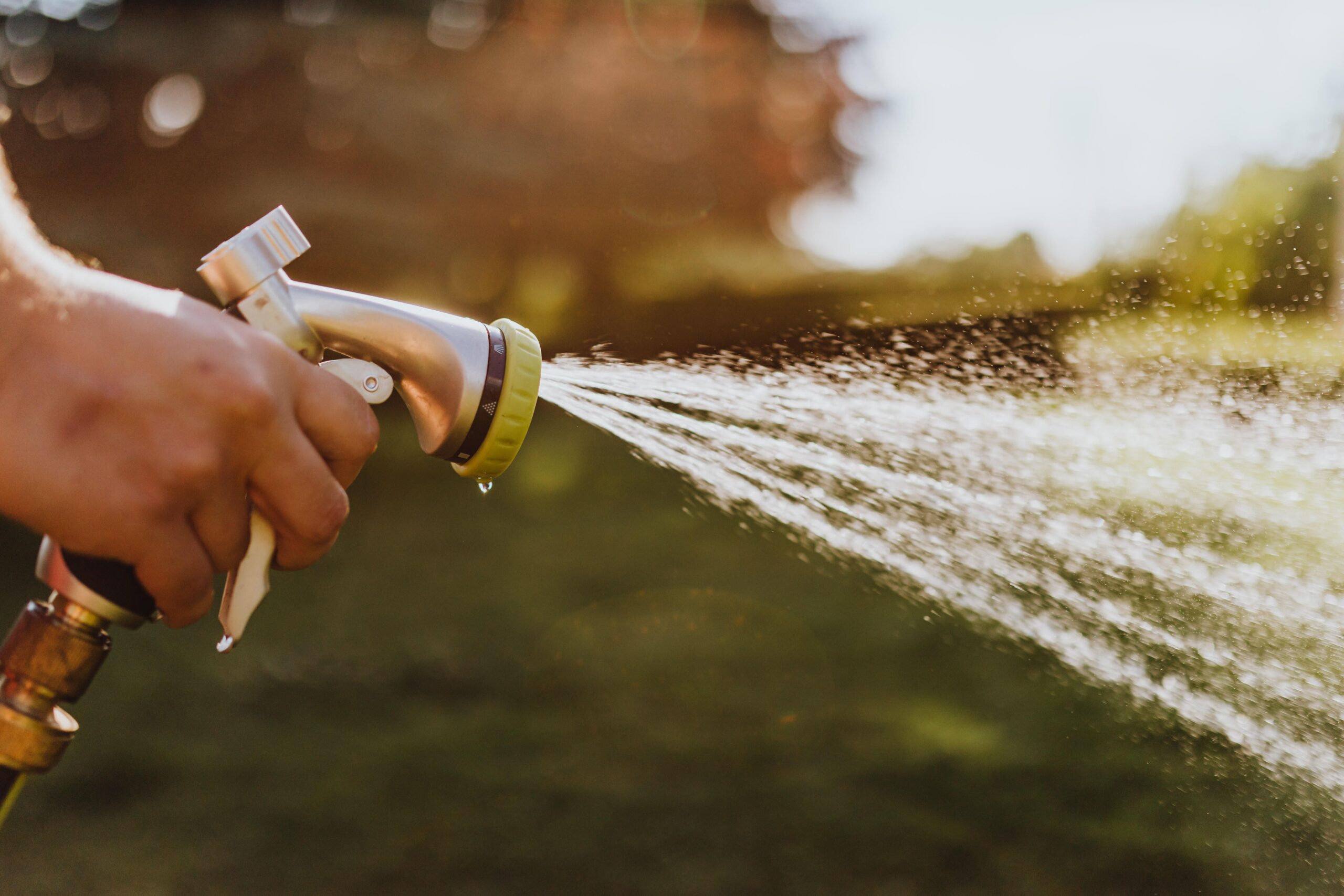
With periods of long dry weather, from time to time regional water companies may introduce Temporary Use Bans (TUBs), also known as hose pipe bans. This can raise a lot of questions for anyone with a hot tub, swim spa or ice bath, or for anyone about to buy a spa and having it installed.
With periods of prolonged dry weather, from time to time regional water companies may introduce Temporary Use Bans (TUBs), commonly known as hosepipe bans. If you own a hot tub, swim spa, or ice bath, or if you’re eagerly awaiting a new installation, this naturally raises questions about how these restrictions impact you.
At 1 Stop Spas, we value water conservation and understand the importance saving water and protecting our water supplies when they’re are under pressure. To help you stay compliant while protecting your investment, and find ways to limit your water usage, we have put together a comprehensive guide based on official guidance from BISHTA (the British and Irish Spa and Hot Tub Association) and major regional water suppliers like Anglian Water.
What does the ban mean for you at home?
During a Temporary Use Ban (hose pipe ban) typically you are not allowed to use a hose to fill up or top up and hot tub, swim spa or ice bath or paddling pools at home (for your personal use). This restriction applies to all standard domestic users to help protect our strained water supplies during this intense heatwave. Businesses often have different rules, so see below for more information on this.
However, for the health of your hot tub, and safe use, it is still really important to maintain good water levels and chemical balance where you can. It is permitted to use a bucket or watering can, which you can fill directly from your tap to fill your hot tub, and while it wil be laborious to completely fill a hot tub this way, it can be a handy way to maintain the correct water level or do a partial water change to ensure your hot tub is cared for.
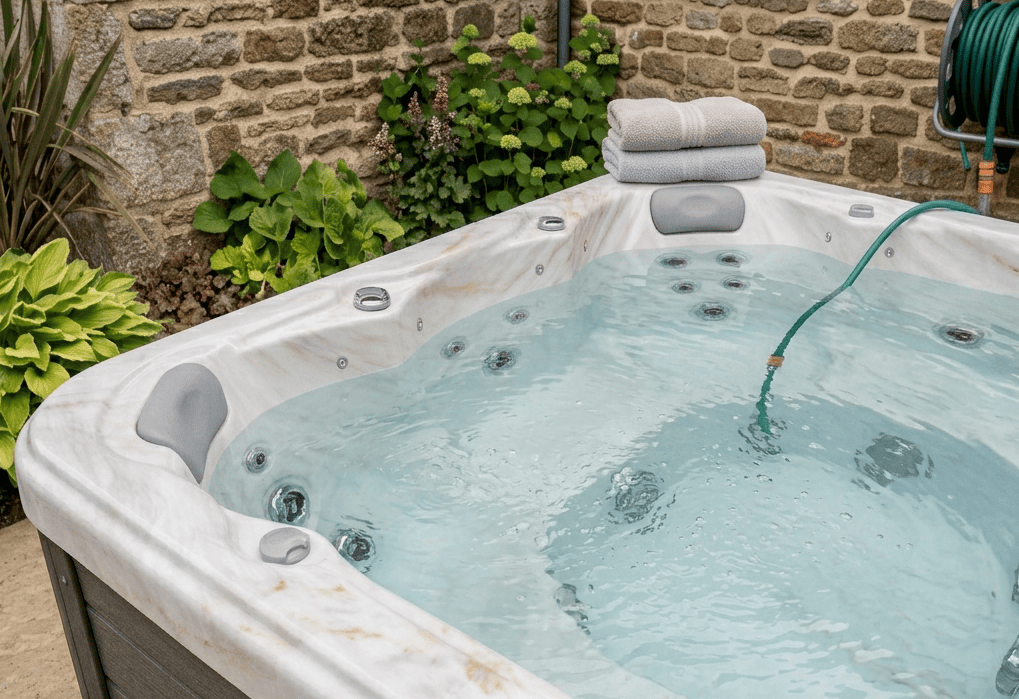
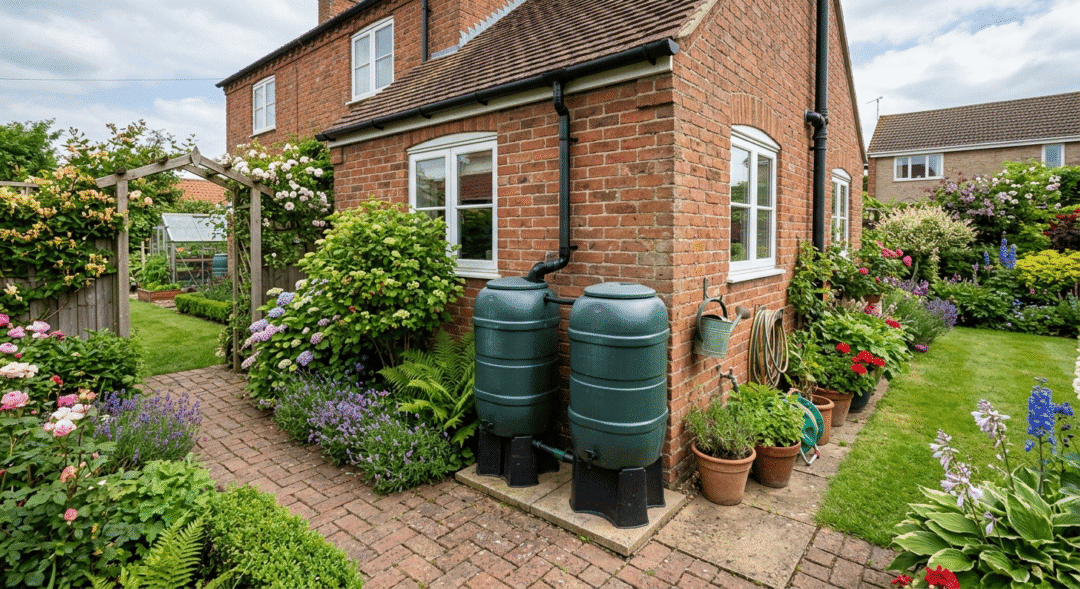
The restrictions only apply if your hose is connected to the mains water supply. You can still fill from off grid supplies using a hose, for example from water butts or a private water source.
There are also some exemptions from the ban. These can include for health reasons which cover some people with aBlue Badge, on Priority Services Register or under the WaterSure Tariff for medical needs. Please check with your water supplier for full details of who is covered under these exemptions.
The exact restrictions depend on your water company, so always check your supplier’s Temporary Use Ban guidance, and the advice from The British and Irish Spa and Hot Tub Association (BISHTA).
What about hot tubs and swim spas used as part of a business?
Businesses are normally permitted to fill up and maintain hot tubs using a hose. This includes hot tubs and swim spas that are part of accommodation at a holiday park, holiday lodges, cottages and other holiday lets etc. As a holiday let, you are still able empty and refill your hot tubs after each guest as per the guidance in HSG282. To understand if your hot tub is part of a business setting, refer to the HSE’s HSG282.
During a hosepipe ban, water companies generally prohibit filling or topping up existing swimming pools and swim spas completely, unless using a bucket. However, some suppliers allow a one-time hosepipe fill for a brand-new pool or swim spa during its initial construction or installation phase.
The business use exemption, also includes businesses like ourselves for servicing and maintenance of hot tubs.
Business operators should also check their supplier’s business guidance. We also recommend being a member of The British and Irish Spa and Hot Tub Association (BISHTA) and making use of their advice and support.
How does a hose pipe ban effect 1 Stop Spas services?
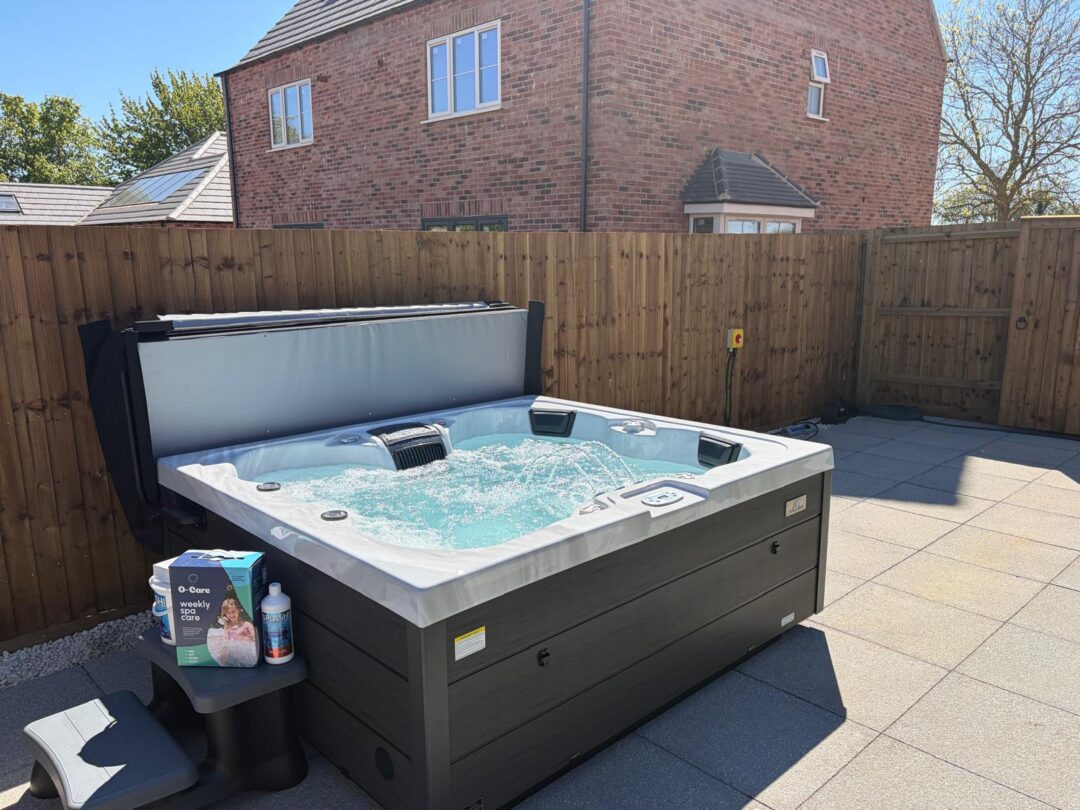
As a business, we are able to continue offering all our services as normal. This includes being able to deliver and fill new hot tubs and swim spas as part of the installation. The regulations also allow us to continue to maintain and service hot tubs in domestic and business settings, For this we can use you normal hose pipe to refill under business-use exemptions. The hose pipe ban won’t impact our ability for our technicians to continue to support our customers.
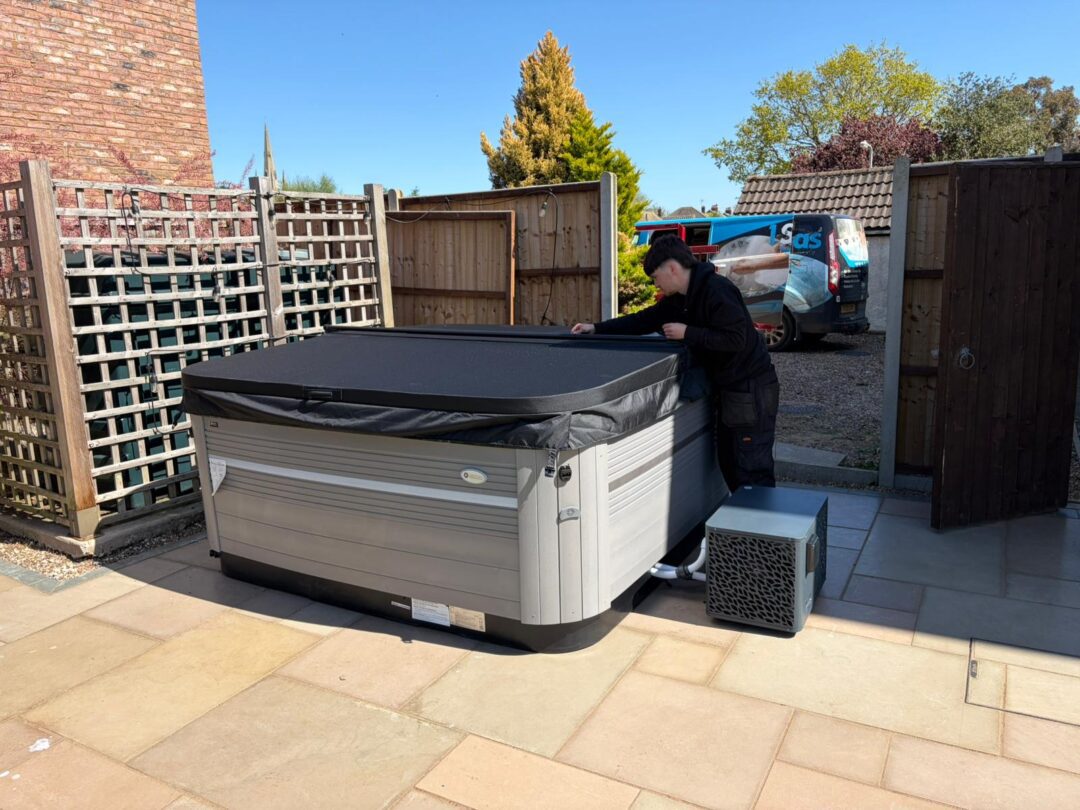
To limit any impact on water resources we are mindful of how we conduct our repairs and services. Our team carry temporary water bowsers which we can pump your spas water into. We can then carry out any repairs and then refill from the bowser providing the water quality is satisfactory.
Are the rules different for hot tubs and swim spas?
Yes. Swim spas are typically considered to be swimming pools under the regulations and will have slightly different restrictions. This is due to their size, water capacity and demands of maintaining the water quality and structure. That being said, a lot of the time these restrictions will be the same or very similar. Under the latest Anglian Water Temporary Use Ban, swimming pools, swim spas and hot tubs have been grouped together and share the same general restrictions. There are a few additional exemptions for pools during construction, pools designed for medical or therapeutic use, and pools used as a part of religious ceremonies.
How to look after your water for longer and prolong water changes
We normally don’t recommend trying to extend the lifespan of your spa water beyond the recommended 3 months between water changes. However, if a hosepipe ban is forcing you to stretch its usage, there are several things you can do to keep your water clean, safe, and clear for longer. Don’t forget that you can bypass the hassle entirely by booking one of our technicians to perform a full system flush, drain, and refill. We can do this under our business maintenance and cleaning exemptions. If you are managing things yourself at home, use these quick tips to maximise every drop:
- Shower before soaking. Make it a strict rule for everyone to rinse off before getting in. This prevents body lotions, deodorants, and natural oils from clouding the water.
- Ditch the laundry detergent. Keep a dedicated set of swimwear just for the hot tub and don’t wash it in standard detergent. Detergents can leave behind residues that cause foam in your spa.
- Optimise your filtration. Ensure your water is fully circulating by running your filtration for at least 2 x 4-hour cycles per day (one 4-hour cycle every 12 hours). This is a good guide if you use your tub a few times a week, increase for more frequent use.
- Clean and rotate filters. Keep on top of filter maintenance by regularly cleaning your filter cartridges. Use a dedicated filter cleaner to properly dissolve embedded oils. Don’t just rinse under the tap.
- Top up with a bucket: Keep your water level topped up to maintain correct chemical concentrations and keep your filtration working at peak performance. During a ban, this is easily done using a clean bucket filled from your tap.
- Use a non-chlorine shock. Add a little non-chlorine shock after every single use to rapidly oxidise organic waste, which helps the water recover and reduces your overall sanitiser demand.
- Add anti-scale treatment. Regularly use an anti-scale product (in hardwater areas) to prevent mineral and calcium buildup on your internal pipework, reducing the immediate need for a system flush.
- Incorporate O-Care. Using O-Care reduces your overall chemical reliance and can help push your water changes to 4 or 5 months instead of 3. By needing to use less sanitiser (chlorine or bromine) and other chemicals, you extend the time before your water will get “chlorine lock”. Chlorine lock is where the water becomes too saturated with chemicals to sanitise effectively.
- Keep the cover on. Always close the cover when the spa is not in use to stop debris and shield the water from UV light. UV rays burn off free chlorine so you end up putting more in. In the summer sun, prolonged exposure to UV can also damage the acrylic shell over time.
Can I use my hot tub water around the garden?
When it’s time to drain your spa, you can absolutely recycle those hundreds of litres to water your lawn and plants, helping to keep them thriving (or just alive) in the heat. To do this safely, simply stop adding chlorine or bromine (and remove your tablet dispenser if you have one) and leave it for a few days. Your sanitiser levels should drop to zero. Before using on plants, check the water balance, aiming for a neutral pH level as close to 7 as possible.
While you can drain down using your drain plug, using a submersible pump will make the job a lot easier and quicker. Use a pump with a garden hose connected to spray the water straight on your lawn or plants. While you cannot connect a hosepipe to your mains tap during a ban, the regulations fully permit using a hose connected to an off-grid water source. This can be water directly from your hot tub or from a water butt.
If you have a water butt, or other water storage, use your submersible pump to transfer the spa water into it. You can then use the water as and when you need it. This has the added advantage of giving any remaining chemicals extra time to dissipate and dilute.
Being able to make use of your hot tub or swim spa water is a great way to protect water supplies during a hose pipe ban. Reusing the water can also be good at any time of year, helping to reduce your water bill. For more information about how to ensure your spa water is safe for the, read our full guide.
Can I refill with rainwater?
You technically can, but it is far from ideal. Rainwater sitting stagnant in sun-warmed water butts creates a perfect breeding ground for bacteria. You must take extra precautions before filling your tub.
If you are going to do this, pass the water through a pre-filter, such as a Darlly PureStream+, to trap sediment and organic matter. Once the spa is full, increase your filtration cycle times in the setting. Let the water circulate for a few days before use. Clean your hot tub filters regularly as they clear the debris. Most importantly, you must shock dose the tub heavily with chlorine or bromine. This kills off any dangerous pathogens and is absolutely vital for bather safety.
For total peace of mind, we recommend having harvested water professionally lab tested first. We offer a dedicated laboratory water testing service to ensure your spa water is safe. Find out more about our water testing service here.
For more in depth in formation about filling your spa with rainwater or other untreated water, see our full guide here.
Enjoying your hot tub while its hot
If you find your hot tub too hot to use during a heatwave, we’ve got a guide with top tips for making the most out of your hot tub even when it’s scorching outside. Read our ‘Enjoying your hot tub when it’s hot outside’ guide here.
More information
For more information and official guidelines about using and maintaining for your hot tub or swim spa during a Temporary Use Ban (hose pipe ban), please see the following authorities:
Most of our customers are supplied by either Anglian Water or Severn Trent Water. If you’re supplied by a different water company, please check their website for details on any restrictions.
Unsure what you can do?
If you’re not sure what we can do, or if we can help repair or service your hot tub or swim spa, contact our team, we can help advise and support you to keep you hot tub in top condition and able to be enjoyed.
For more information about the restrictions, check out your water companies website.
Insta Test 4 test strips are a...

Suitable for use on all hot...
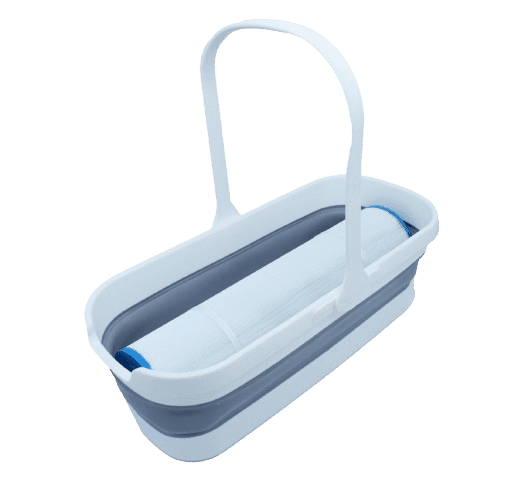
This Darlly Collapsible Filter Cleaning Bucket...
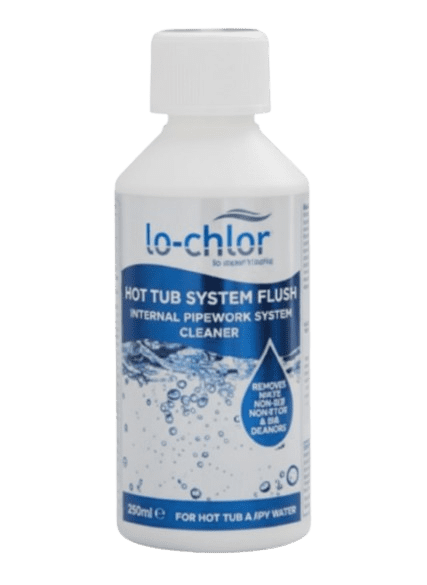
£10.99
Concentrated formula. Fast acting. Removes build-up...
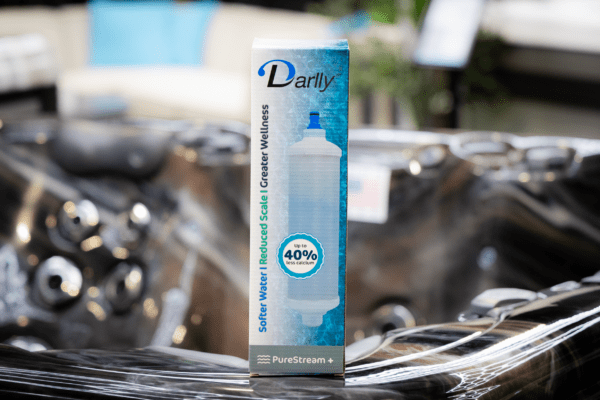
£24.99
The Darlly PureStream+ helps eliminate hard...

High quality, made to measure hot...
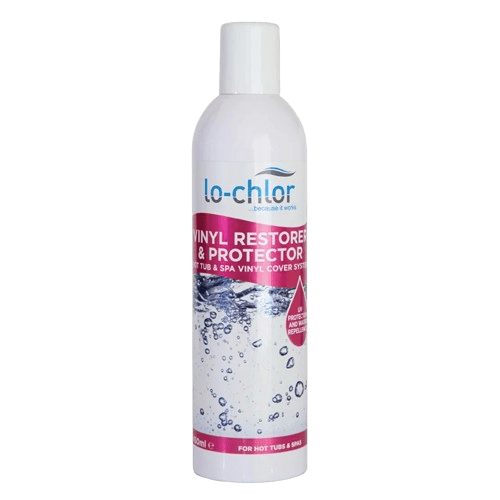
Water Repellent. Built in SPF Protection...

Allows you to clean your spa...
Expert Advice & Inspiration
Explore Our Featured Spa Guides

Stay informed with the latest tips, maintenance advice, and buying guides from our spa experts. Discover how to get the most from your hot tub, swim spa, or sauna.