

Latest Posts
How to fill a hot tub with a bucket or watering can (and avoid air locks!)
When a hosepipe ban is in full swing, keeping your hot tub filled can feel like an impossible task. However, under standard Temporary Use Bans, filling a spa using a hand-held bucket is legally permitted. While carrying several hundred litres of water in buckets to fill your hot tub is undoubtedly a workout, it is a completely viable way to keep your spa in use. To save your back, and your hot tub’s plumbing, here is the ultimate guide to successfully bucket-filling your spa.
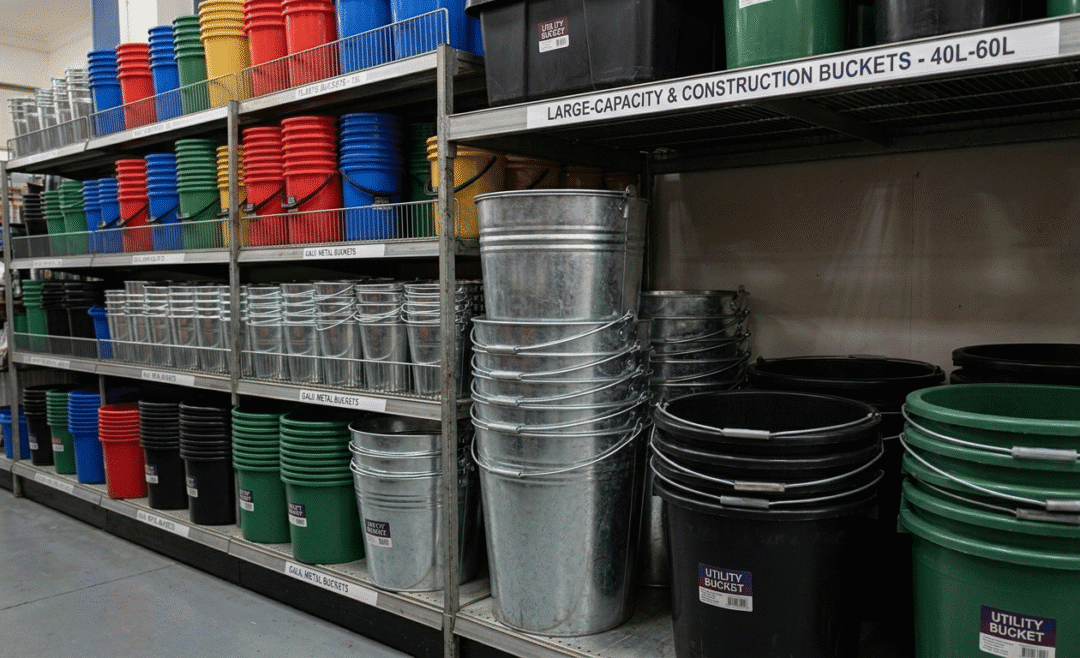
Get a clean bucket or watering can
Before you grab any old plastic bucket from the garage, stop! The absolute golden rule of bucket-filling is that the bucket must be clean, and we mean really clean.
Never use a household bucket that has previously held car wash shampoo, window cleaner, mop detergents, or garden weedkiller. Even a microscopic trace of leftover soap or surfactant will turn your hot tub into a giant bubble bath the second you turn the massage jets on.
Ideally, buy a brand-new, heavy-duty builder’s bucket or a clean food-grade container. Give it a thorough rinse with clean tap water before you start.
Take your time: Fill in stages
You don’t have to tackle the entire fill in one session. It is completely fine to fill your hot tub in stages over a couple of days, carrying a few buckets whenever you have a spare moment. If you need to take a break, simply put the hot tub cover back on to keep out garden debris, protect the dry acrylic shell from UV rays, and keep the water clean.
The golden rule here is never to power your spa on until the water level has fully reached the recommended fill line. Running the pumps while dry or half-empty will instantly burn out your heater and damage your filtration system. Just be mindful not to let the filling process drag on for too long; untreated water sitting stagnant in a warm spa will begin to grow bacteria and algae, making your eventual chemical startup much harder.
How to avoid air locks when filling with a bucket
The biggest technical challenge with bucket-filling is avoiding an air lock.
When you fill a hot tub with a hose, the standard practice is to shove the hose directly down the empty filter housing. This forces water through the internal pipework and heater first, pushing the air out of the bottom jets as the tub fills.
If you just dump buckets of water straight into the main seating area of the spa, the water will rise around the plumbing, trapping a large bubble of air inside the pumps and heater. When you turn the hot tub on, the pump will spin but won’t be able to move water, resulting in an “FLO” or “DRY” error code.
How to prevent this with a bucket:
- Prime the pipework first: For your very first 4 to 5 buckets of water, do not dump them into the footwell. Instead, carefully pour them directly down the filter housing (the standpipe). You may want to use a large, clean funnel to make this easier without spilling.
- Fill the rest: Once you have primed the internal plumbing and the bottom of the spa is well-covered, you can freely pour the remaining buckets straight into the main body of the tub.
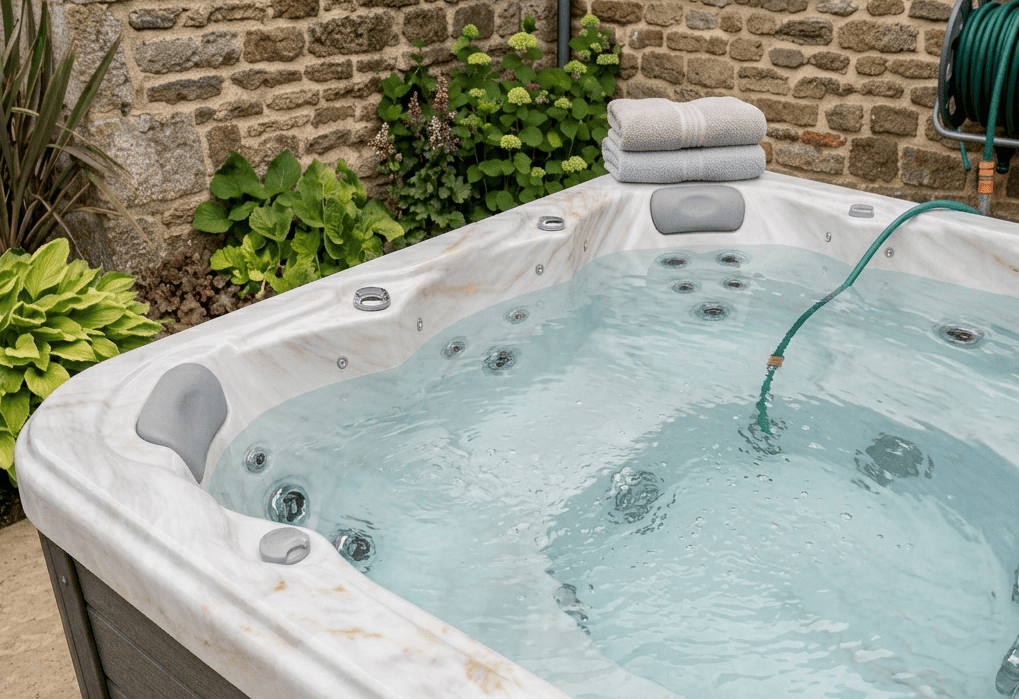
- Use a pump: If you do get an air lock and you have a submersible pump, once filled, simply place the end of the pump’s hose straight down into the filter housing and the pump in the footwell and use this to push water into the pipework forcing any air out the jets.
Work smarter: The “Trolley & Pump” hack
Let’s be honest: carrying 10-litre buckets back and forth across your garden fifty times is a recipe for a bad back. If lifting heavy buckets is too demanding, you can set up your own water-delivery station using a few simple tools:
- The Mobile Station: Place a large, clean plastic bin or a couple of large buckets onto a garden trolley, sack truck, or wheelbarrow.
- The Setup: Wheel your mobile water station to your outdoor tap, fill the containers, and wheel them over to the side of your spa.
- The Lift: Instead of lifting and pouring, drop a small submersible pump (with a short piece of garden hose attached) straight into the bucket on your trolley. Turn the pump on, and let it lift the water up and into the spa for you!
Another advantage of using a pump is you can put the hose into the filter housing to push water into your pipework first to reduce the risk of getting an airlock.
The final splash
Filling a hot tub by hand takes patience, but it can be done and is an effective way to keep your hot tub running during a hose pope ban. Just remember to take your time, keep your equipment clean, and always fill through the filter pipework first.
If it all sounds like too much heavy lifting, remember that you can always get in touch. We often have business exemptions during water restrictions so one of our technicians may be able to come out to you and perform a flush, drain, and refill service to keep your hot tub fully operational.
Enjoying your hot tub when it’s hot outside
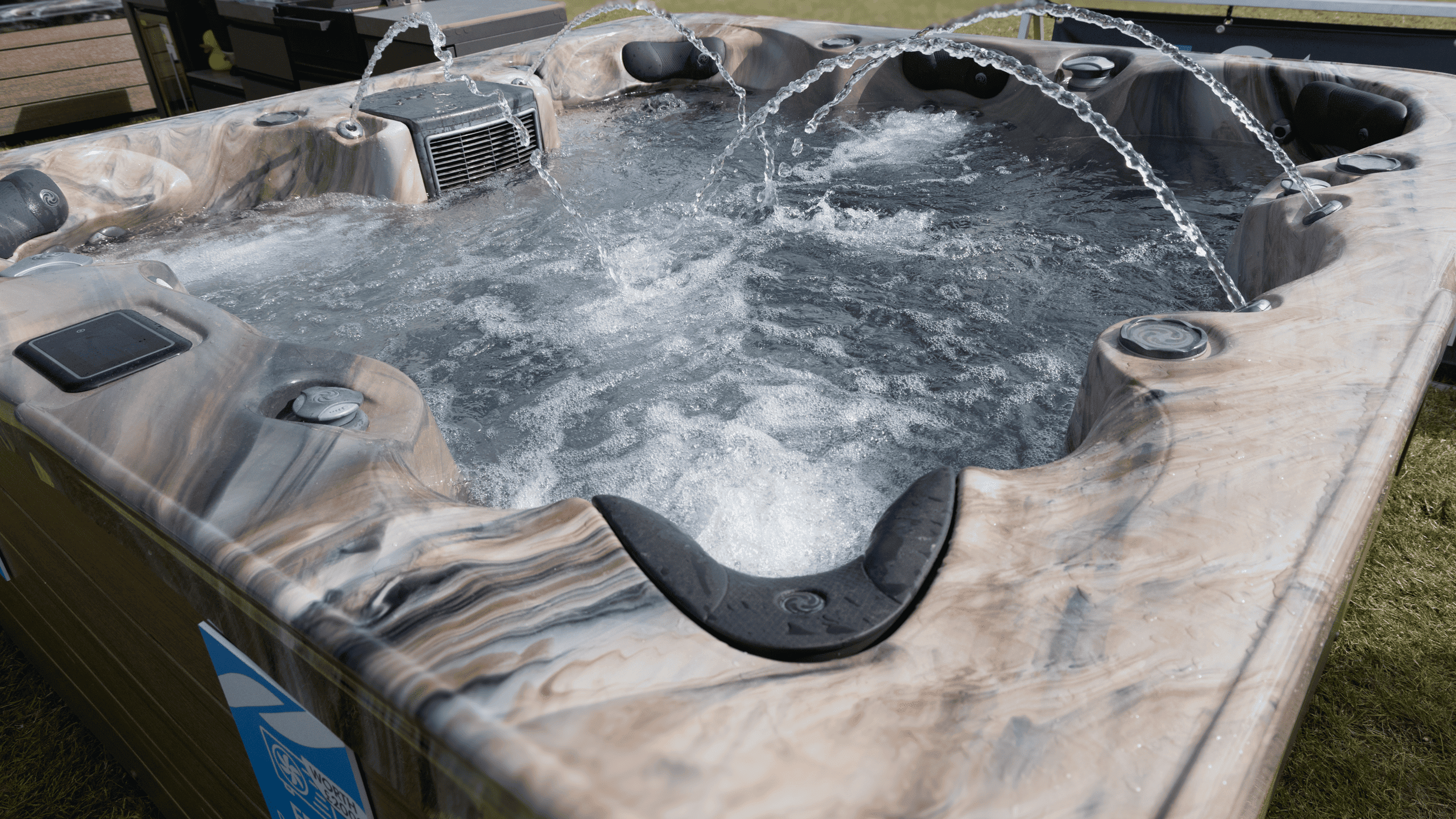
When a classic British summer heatwave hits, getting into a hot tub might be the last thing on your mind. Many owners assume that a spa is strictly a cooler weather luxury and don’t make the most of their hot tub in the summer. However, with a few quick adjustments, your hot tub can easily become the ultimate summer relaxing sanctuary. Don’t miss out on your garden oasis just because the temperature is rising. Here is how to enjoy your spa all summer long.
Turn down the heat
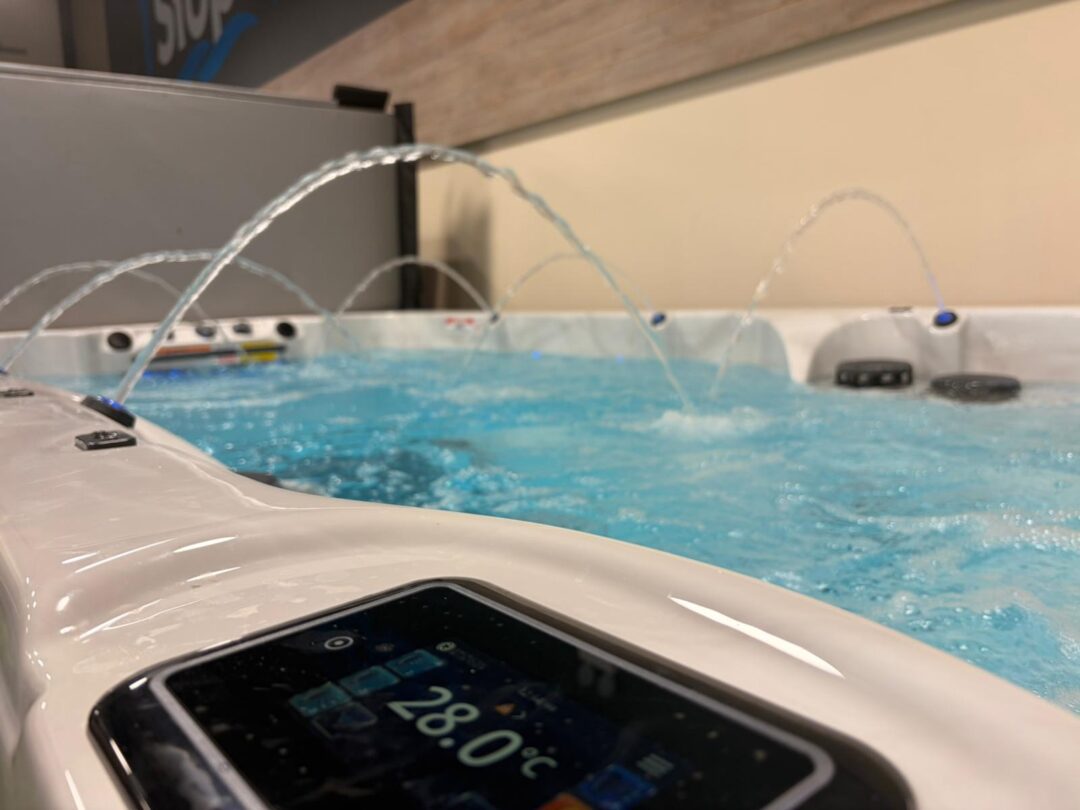
The easiest way to transform your hot tub into a refreshing summer retreat is to lower the thermostat. Dropping the temperature down to the low 30s, or even into the high 20s, creates a soothing spa that instantly cools you down on a stifling day. You get all the benefits of the hydrotherapy massage pumps without overheating, making it the perfect spot to relax with a cold drink. While it might be tempting to go even colder (and you absolutely can), choosing a temperature around 30°C is a great balance that allows you to feel cool, whilst still staying in your spa for a prolonged period of time.
Go colder still
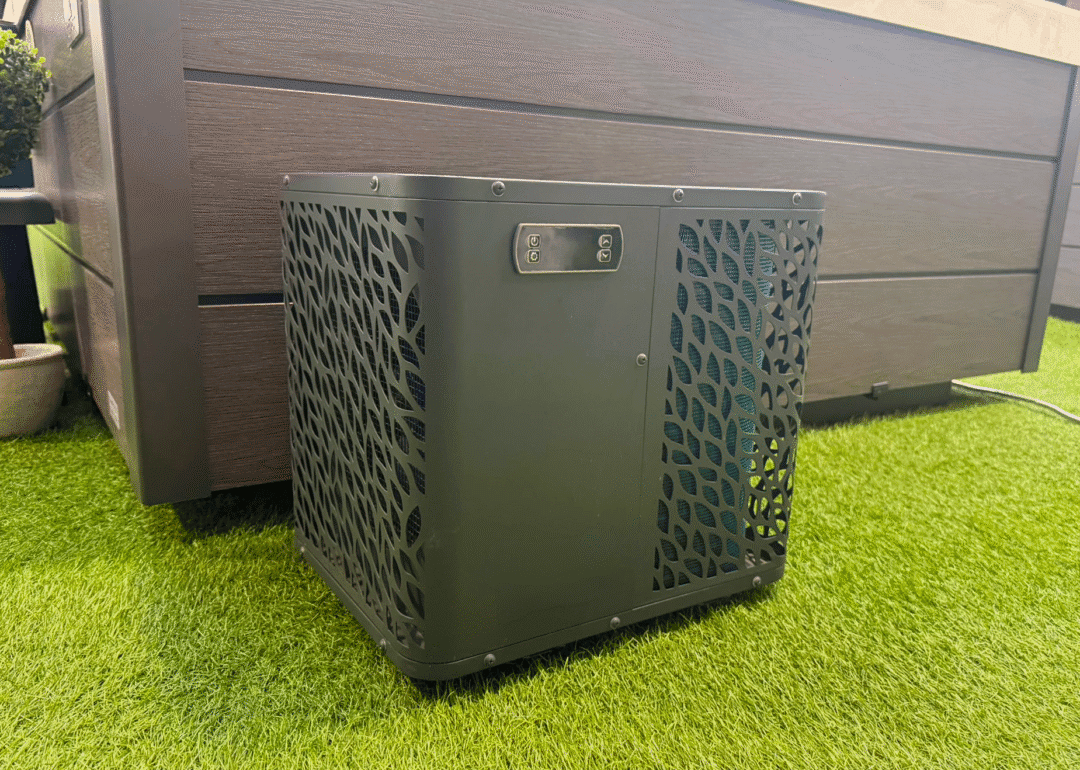
If you have an Air Source Heat Pump, you might even be able to get your water even cooler. Most air source heat pumps fitted to hot tubs can also act as chillers and have the capacity to cool water as well as heat it. This means you can get your water colder than the ambient temperature and beat thermal creep. With a heat pump you will be able to set your water chilling as low as your hot tub settings allow which is normally around 15°C. This is recommended as a beginner / intermediate temperature for an ice bath so plenty cold enough for most! A great way to build in some contrast therapy and cool off in the heat.
Note: air source heat pumps themselves can often be set as low as 3°C but it’s best to match your minimum hot tub settings to protect components. if you set the heat pump lower than the hot tub minimum settings, you will find your hot tub goes into winter protection mode and changes how it’s filters and pumps the water.
Change up your soaking schedule
If the afternoon heat feels a bit too intense, simply shift your hot tub time to the bookends of the day. Lounging in the spa during a crisp summer morning is a fantastic way to wake up, while an evening soak allows you to unwind as the air naturally cools down. Nighttime soaking also lets you take full advantage of your spa’s LED light therapy systems; the glowing water has known positive impacts on your mood and mental relaxation after a long day.
Keep an eye on bather hydration
When you are relaxing in the spa, the warm breeze and massage jets can mask how much your body is actually sweating. It is incredibly easy to become subtly dehydrated while soaking on a hot day. Make it a habit to bring a large bottle of chilled water, fresh lemonade, or fruit-infused water out to the tub with you, and save the alcoholic drinks until after you’ve finished your soak to avoid getting dizzy or lightheaded.
Reduce the time, but enjoy the massage
You don’t need to stay in for hours to feel the benefits. Shorter, 15-minute hydrotherapy sessions in cooler water are fantastic for relieving summer fatigue, easing tense muscles, and lowering your heart rate after an active day in the garden. You get all the restorative muscle recovery of the premium jets without draining your physical energy in the heat.
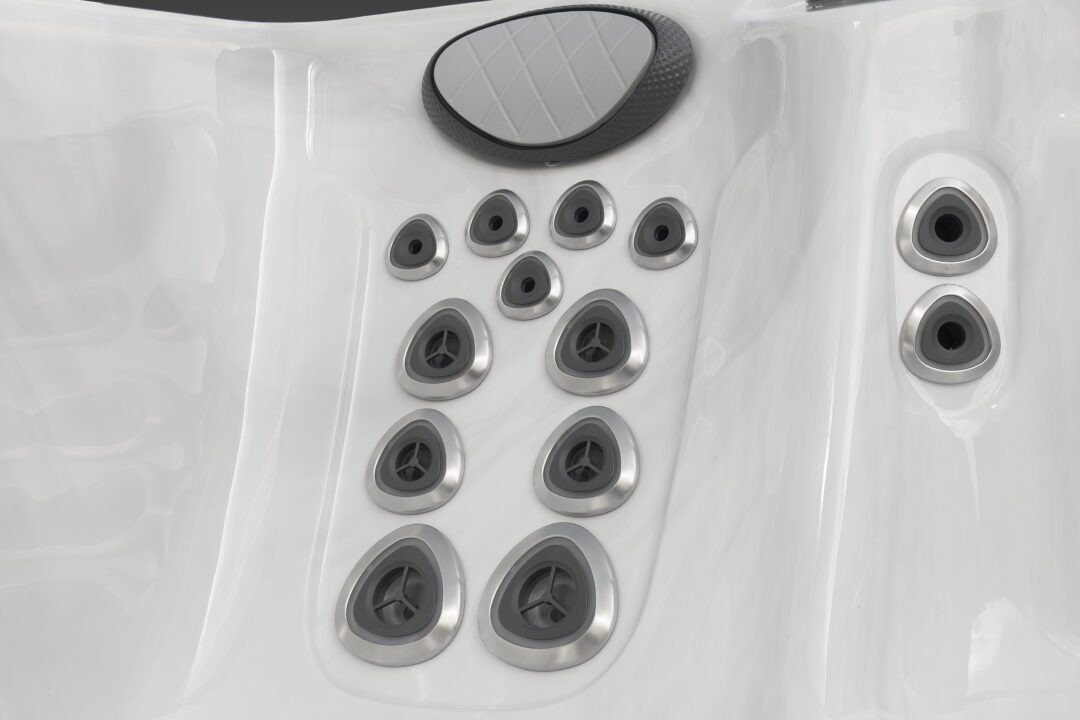
Elevate the vibe with summer aromatherapy
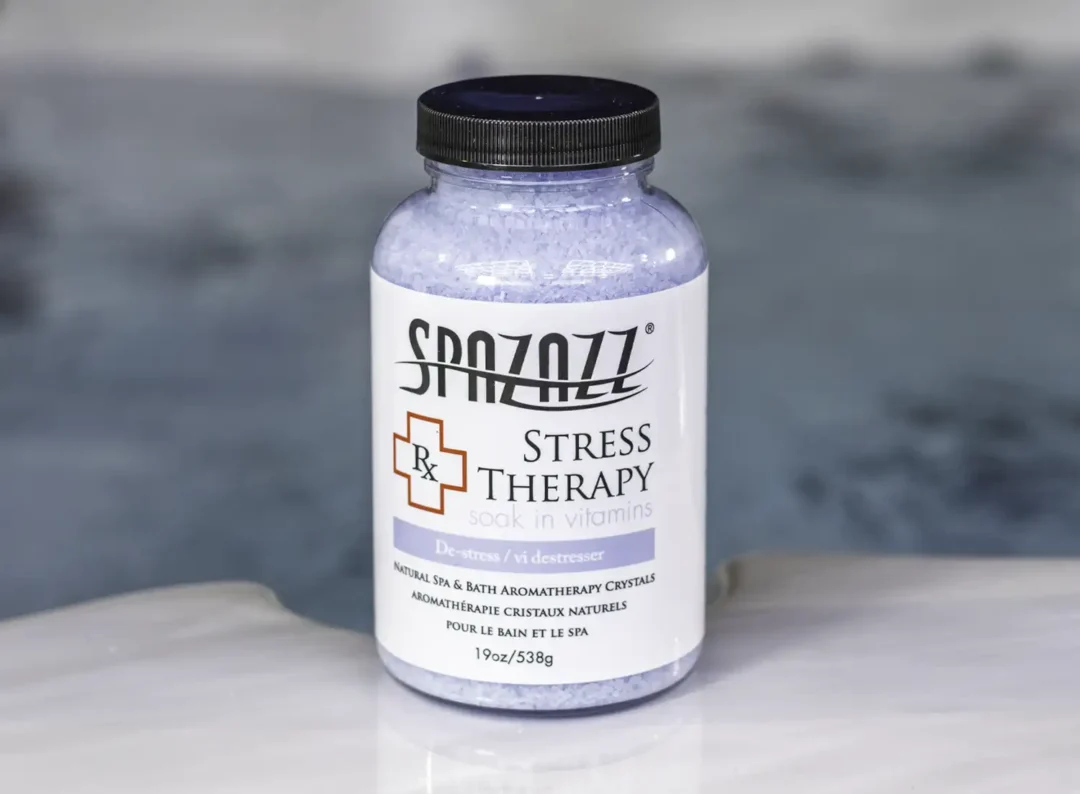
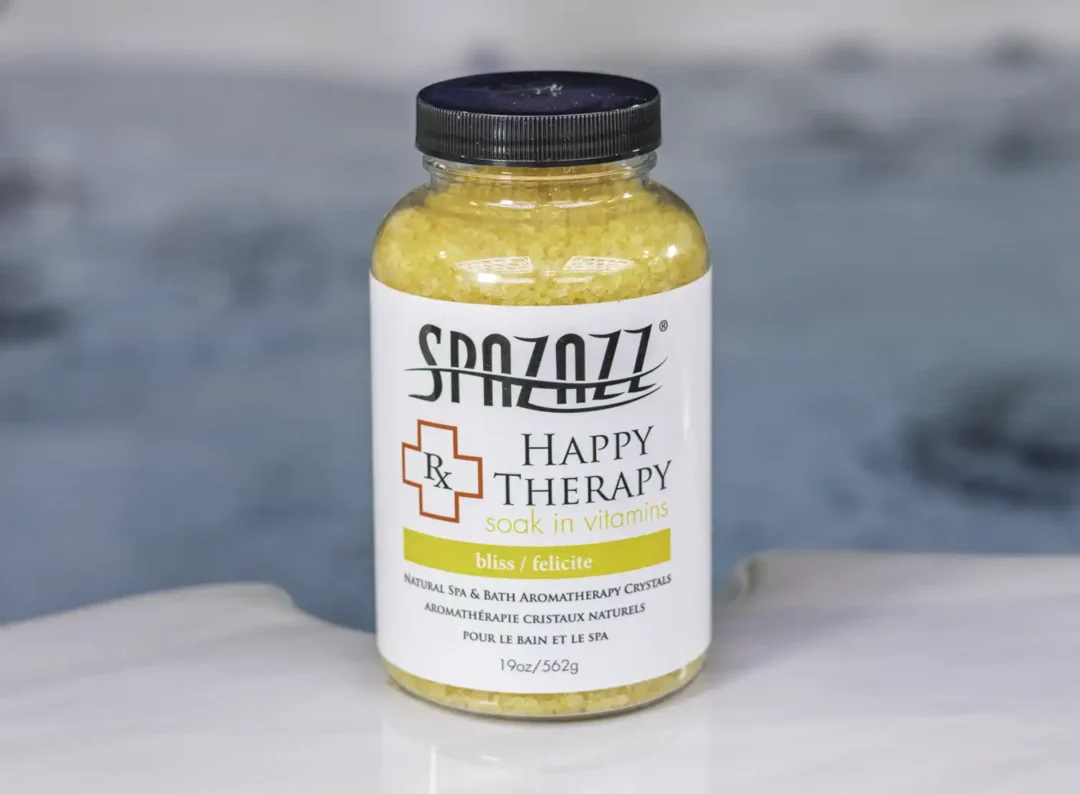
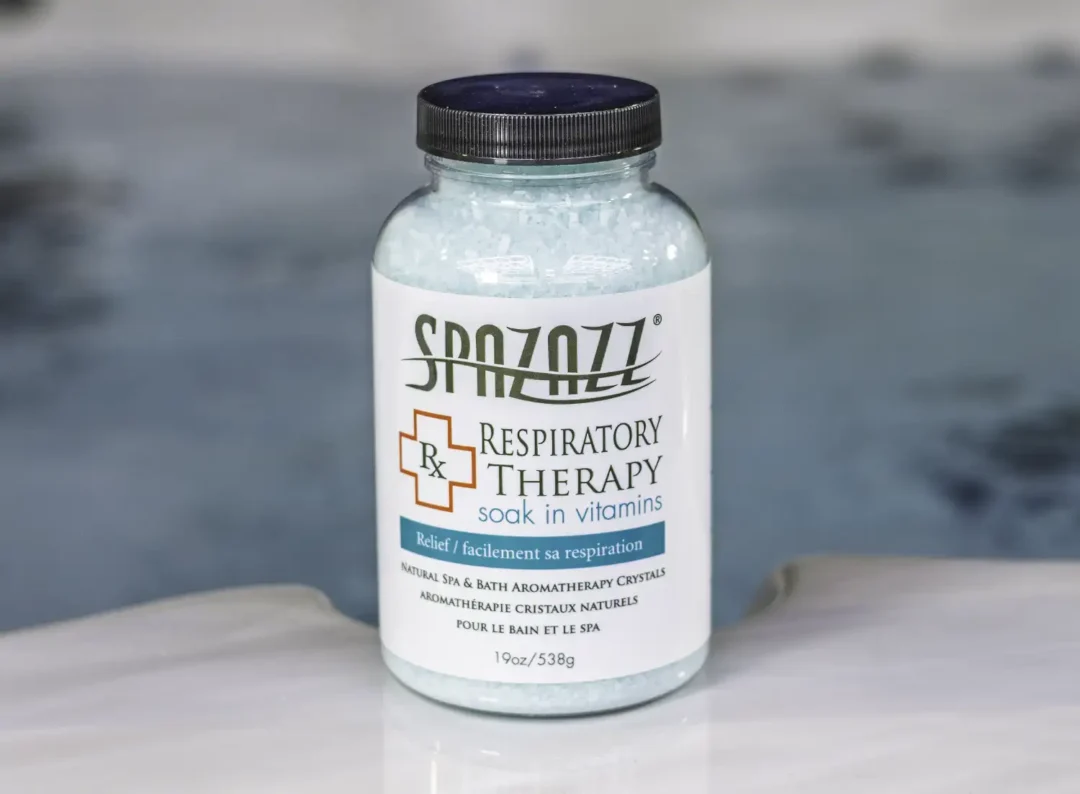
Nothing seals the deal on a relaxing summer evening quite like the right scent. Traditional bath products can wreak havoc on your spa’s filtration and chemistry, but dedicated hot tub crystals are completely safe to use. Adding a scoop of a refreshing, summer-inspired fragrance—like eucalyptus, crisp citrus, or tropical fruit—instantly elevates your soak into a true spa experience.
At 1 Stop Spas, we stock premium aromatherapy salts that 100% hot tub safe. These crystals are specifically formulated to infuse your water with long-lasting fragrance, skin-moisturising botanicals, and stress-relieving magnesium sulphates without affecting your pH levels or clouding up your water. Drop by our showroom or check out our online shop to grab a jar and find your favourite summer scent!
Watch out for “thermal creep” (and why you must keep the cover on)
When it’s scorching outside, it can be incredibly tempting to leave your hot tub cover off to let excess heat escape. Don’t do this! An open hot tub is a magnet for leaves, bugs, and organic garden debris, which quickly exhausts your sanitiser and clogs your filters. The UV rays will also burn off free-chlorine resulting in you using more chlorine or bromine in your spa. Furthermore, your spa’s internal acrylic shell is not designed to be exposed to prolonged, direct UV sunlight, which can cause costly cosmetic damage over time.
Instead, leave the cover securely closed, but be prepared to combat thermal creep. This is a natural phenomenon, especially highly insulated premium spas, such as our American Whirlpool and Icelandic Wellness ranges, where heat is retained so efficiently that the heat generated by the pumps combined with ambient outdoor temperatures warms the water up past your set temperature. If this happens, try setting your thermostat a few degrees lower than your target temperature to compensate.
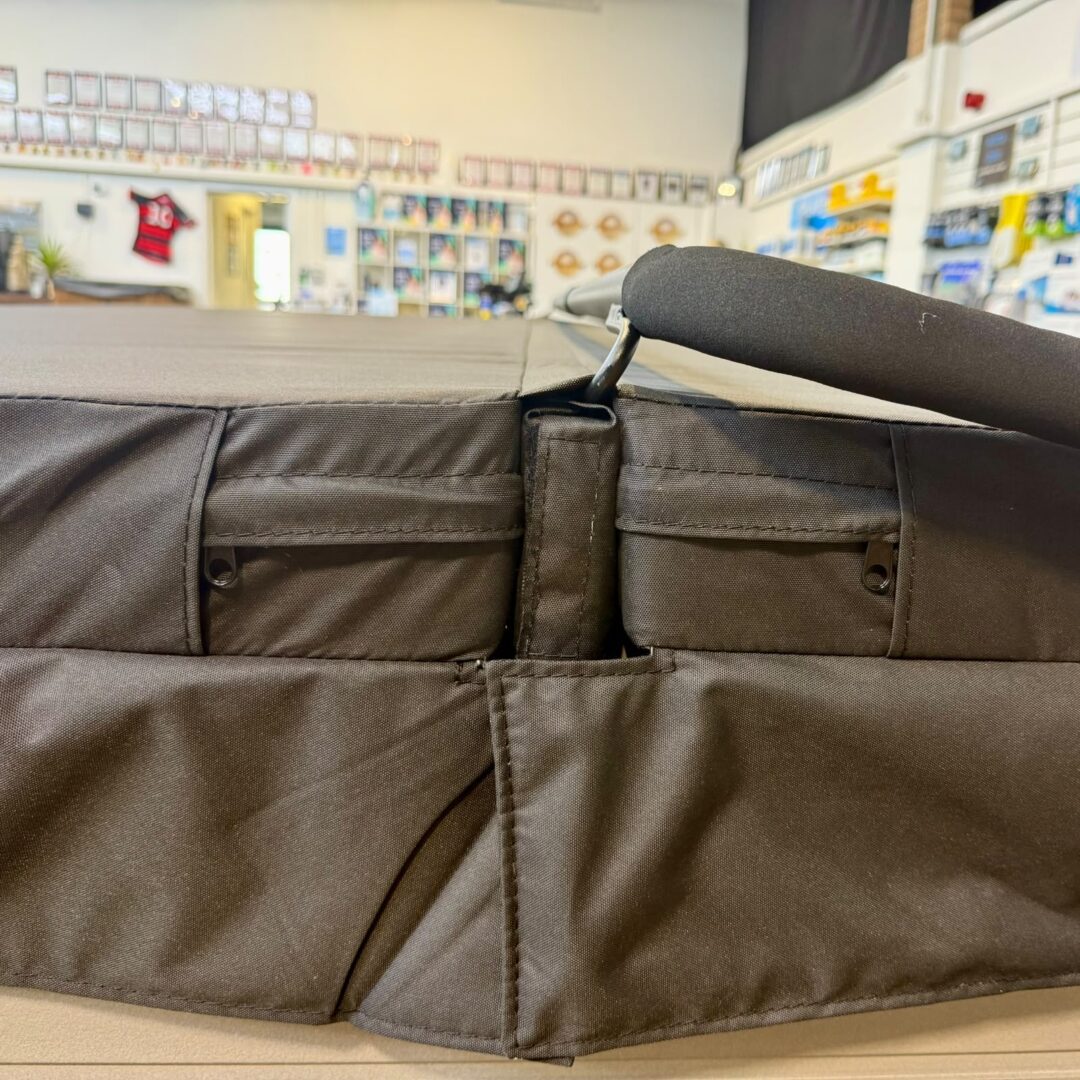
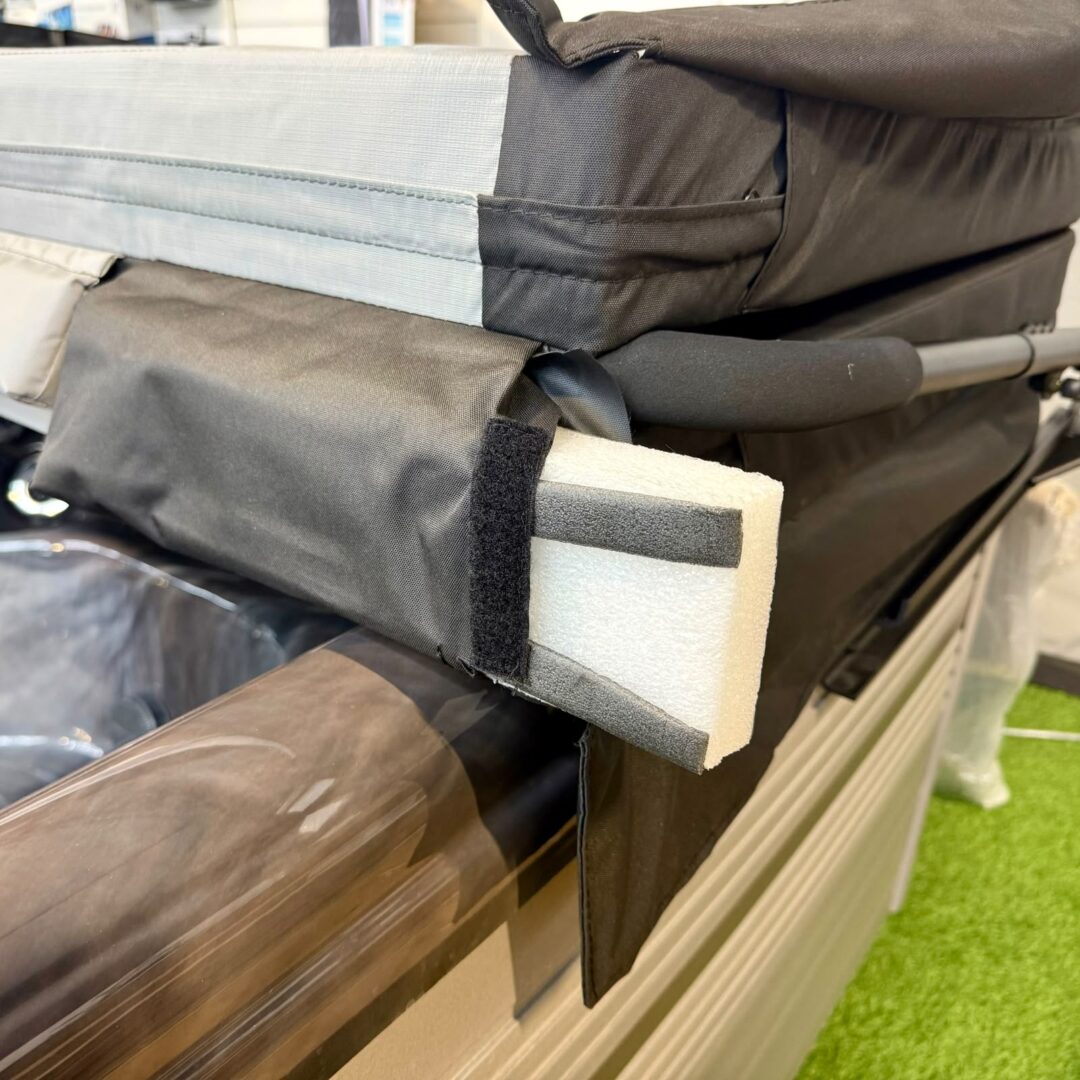
On some spas, like American Whirlpool, you can remove the centre heat-seal pads (or pillows) to allow some heat to vent out. These are the small pads on the edges of the centre fold of your cover. Simply undo the velcro pouch, slide out the foam block, and your cover will safely vent excess ambient heat while remaining firmly locked down against debris and sunlight!
Can I fill my hot tub with harvested rainwater?
From time to time, we get asked about filling a hot tub or swim spa using harvested rain water or filling from other untreated water sources, like bore holes or abstracted water from water courses. Sometimes this is as an alternative way to fill a spa during a hose pipe ban, on other occasions it’s about utilising existing accessible water supplies or running a hot tub somewhere that’s off grid.
While completely possible and potentially a clever way round a hose pipe ban, or a way to utilise free or nearby resources, using untreated water to fill a spa isn’t ideal. Before you pump outdoor rainwater anywhere near your spa shell, there are several strict water treatment and filtration steps worth following to protect both your equipment and your health.
Filtering out physical debris
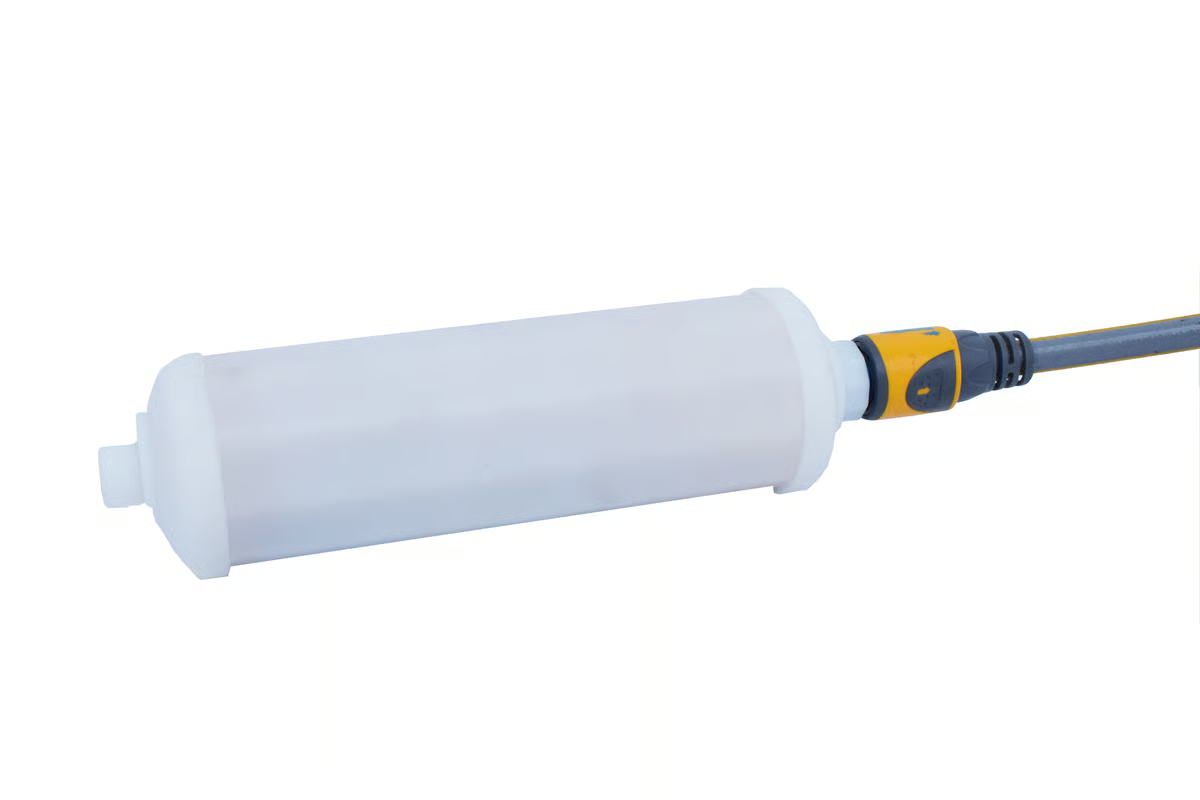
Roof runoff and garden water butts are full of invisible contaminants. If you do go ahead with a rainwater fill, you should ideally run the water through a dedicated pre-filter before it even touches your spa. At an absolute minimum, attach a Darlly PureStream+ inline hose connector filter to your pump setup. This will trap organic matter, sediment, heavy metals, and physical debris before they enter the system.
Boosting your filtration cycles
Once the spa is full, do not hop straight in. You need to give your hot tub’s filtration system plenty of time to clear the new water. Go into your spa’s digital control panel and increase the filtration cycle times so the water moves constantly for the first few days.
Because rainwater carries a high organic load, your spa filters are going to work overtime. You will need to remove and clean them regularly during this initial setup period. Simply rinsing them with a hose isn’t enough here; you must use a dedicated filter cleaning solution to properly break down oils, biofilms, and fine debris that untreated water introduces.
The vital importance of shock dosing
Most importantly, you must heavily shock dose your tub to sanitise the water—this step is absolutely non-negotiable. Rainwater sitting stagnant in outdoor water butts, often at warm summer temperatures, creates a perfect breeding ground for dangerous bacteria and algae. A heavy shock dose of chlorine or bromine is the only way to completely kill off these invisible pathogens and ensure the water is hygienically safe for bathers. Once shock dosed and settled, you can then dose normally as you would with any hot tub and monitor the water chemestry and balance with quality test strips.
Be sure it’s safe with a lab test
Because untreated (not mains) water chemistry can be unpredictable, and storing water without sanitisers and water movement adds additional risks, we recommend getting a professional opinion before you bathe. We offer a dedicated laboratory water testing service. We suggest doing both a microbiological test and a specific test for legionella to give you a fuller picture of your water quality. The microbiological analysis tests for coliforms, escherichia coli, pseudomonas aeruginosa and an aerobic plate count at 37 degrees. For more information about water testing please get in touch.


The final verdict: At your own risk
In summary, while filling your hot tub or swim spa with harvested rainwater or other untreated (not mains) water is technically possible, it is not recommended. Using another water supply requires extensive extra steps, additional filtration accessories, heavy chemical treatment, and enhanced monitoring to keep the water hygienically safe. Ultimately, opting for a rainwater fill is something you take at own risk, so weigh the extra maintenance time and effort carefully against standard water management alternatives.
Read MoreCan I use my hot tub water around the garden?
When it does eventually come time to empty and refresh your spa, you might feel guilty watching hundreds of litres of water go down the drain—especially during a dry spell. The good news is that you can absolutely recycle your old hot tub water to keep your garden lawn and plants alive!
Preparing your water: Dropping the chemicals
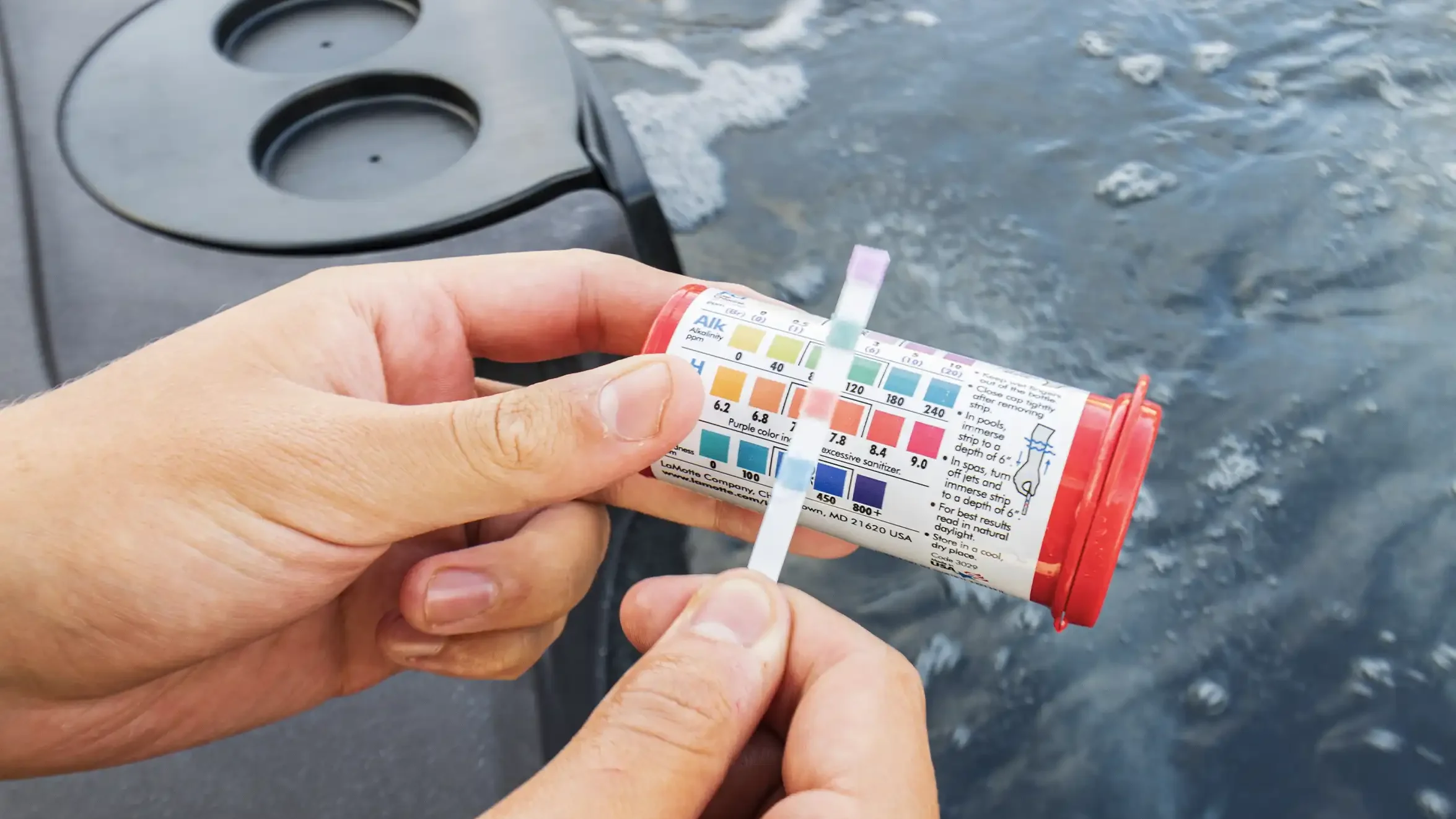
To do this safely and responsibly without harming your landscaping, you just need to let the chemical levels drop first. Before you empty the spa, make sure to remove any inline tablet dispensers and any floating dispensers you might be using. Leaving these in will keep your sanitiser levels high. Simply stop adding chlorine or bromine and let the levels naturally drop down close to zero over 3 to 5 days. This makes the water perfectly safe for your grass and hardy plants. At the same time, it is highly recommended to test your water and check the pH balance. You should aim for a neutral pH level as close to 7 as possible before using it on your soil. Water that is too acidic or too alkaline can shock delicate root systems. To balance pH levels, you can use either pH Reducer or pH Increaser.
Protecting your spa while the levels drop
While you are waiting for the chemicals to dissipate, you should turn your heating temperature right down to save energy. However, be sure to leave your cover firmly on, as this protects the spa from leaves and other garden debris getting into the water and causing separate filtration or organic problems. You should also leave your filtration cycles running normally; keeping the water moving avoids stagnation and stops bacteria from taking hold while the chemical levels drop.
Utilising water storage
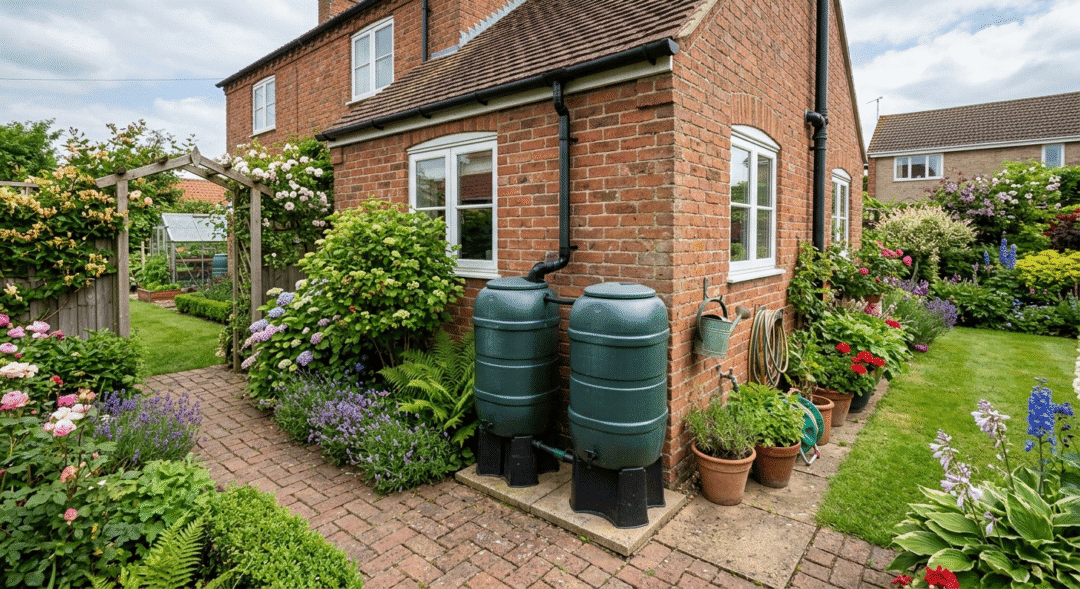
A great way to manage the draining process is making use of water butts. Instead of letting the water flood your garden all at once, you can use a submersible pump to transfer the water into an empty water butt (or a couple) or storage containers. Storing it gives any remaining chemical residues extra time to completely dissipate, settle, and dilute with any leftover rainwater.
You can recycle your hot tub water at any time, but the ability to reuse the water around your garden can be a (plant) life saver during a hose pipe ban (Temporary Use Ban). When it comes to using the water, the regulations of a ban can work in your favour here. While you cannot connect a hosepipe directly to your mains tap to water the garden, using a hosepipe connected to an off-grid recycled water supply is allowed. By putting a submersible pump inside your water butt, or even directly inside the chemically depleted hot tub itself, you can legally use a hose to distribute that recycled water exactly where your garden needs it most.
By recycling your spa water this way, you can keep your hot tub maintained and your garden green, all while doing your bit to protect our regional water supplies.
When to skip recycling: A quick word on water safety
We recommend you only recycle hot tub or swim spa water when you’re planning to empty your spa for a its regular maintenance (e.g. your routine water change). We do not suggest you reuse water that has had any serious water quality issues (e.g. biofilm build up) that can occurr due to poor water chemistry and management.
Read MoreHow does a hose pipe ban affect me using my hot tub?
With periods of long dry weather, from time to time regional water companies may introduce Temporary Use Bans (TUBs), also known as hose pipe bans. This can raise a lot of questions for anyone with a hot tub, swim spa or ice bath, or for anyone about to buy a spa and having it installed.
With periods of prolonged dry weather, from time to time regional water companies may introduce Temporary Use Bans (TUBs), commonly known as hosepipe bans. If you own a hot tub, swim spa, or ice bath, or if you’re eagerly awaiting a new installation, this naturally raises questions about how these restrictions impact you.
At 1 Stop Spas, we value water conservation and understand the importance saving water and protecting our water supplies when they’re are under pressure. To help you stay compliant while protecting your investment, and find ways to limit your water usage, we have put together a comprehensive guide based on official guidance from BISHTA (the British and Irish Spa and Hot Tub Association) and major regional water suppliers like Anglian Water.
What does the ban mean for you at home?
During a Temporary Use Ban (hose pipe ban) typically you are not allowed to use a hose to fill up or top up and hot tub, swim spa or ice bath or paddling pools at home (for your personal use). This restriction applies to all standard domestic users to help protect our strained water supplies during this intense heatwave. Businesses often have different rules, so see below for more information on this.
However, for the health of your hot tub, and safe use, it is still really important to maintain good water levels and chemical balance where you can. It is permitted to use a bucket or watering can, which you can fill directly from your tap to fill your hot tub, and while it wil be laborious to completely fill a hot tub this way, it can be a handy way to maintain the correct water level or do a partial water change to ensure your hot tub is cared for.
The restrictions only apply if your hose is connected to the mains water supply. You can still fill from off grid supplies using a hose, for example from water butts or a private water source.
There are also some exemptions from the ban. These can include for health reasons which cover some people with aBlue Badge, on Priority Services Register or under the WaterSure Tariff for medical needs. Please check with your water supplier for full details of who is covered under these exemptions.
The exact restrictions depend on your water company, so always check your supplier’s Temporary Use Ban guidance, and the advice from The British and Irish Spa and Hot Tub Association (BISHTA).
What about hot tubs and swim spas used as part of a business?
Businesses are normally permitted to fill up and maintain hot tubs using a hose. This includes hot tubs and swim spas that are part of accommodation at a holiday park, holiday lodges, cottages and other holiday lets etc. As a holiday let, you are still able empty and refill your hot tubs after each guest as per the guidance in HSG282. To understand if your hot tub is part of a business setting, refer to the HSE’s HSG282.
During a hosepipe ban, water companies generally prohibit filling or topping up existing swimming pools and swim spas completely, unless using a bucket. However, some suppliers allow a one-time hosepipe fill for a brand-new pool or swim spa during its initial construction or installation phase.
The business use exemption, also includes businesses like ourselves for servicing and maintenance of hot tubs.
Business operators should also check their supplier’s business guidance. We also recommend being a member of The British and Irish Spa and Hot Tub Association (BISHTA) and making use of their advice and support.
How does a hose pipe ban effect 1 Stop Spas services?
As a business, we are able to continue offering all our services as normal. This includes being able to deliver and fill new hot tubs and swim spas as part of the installation. The regulations also allow us to continue to maintain and service hot tubs in domestic and business settings, For this we can use you normal hose pipe to refill under business-use exemptions. The hose pipe ban won’t impact our ability for our technicians to continue to support our customers.
To limit any impact on water resources we are mindful of how we conduct our repairs and services. Our team carry temporary water bowsers which we can pump your spas water into. We can then carry out any repairs and then refill from the bowser providing the water quality is satisfactory.
Are the rules different for hot tubs and swim spas?
Yes. Swim spas are typically considered to be swimming pools under the regulations and will have slightly different restrictions. This is due to their size, water capacity and demands of maintaining the water quality and structure. That being said, a lot of the time these restrictions will be the same or very similar. Under the latest Anglian Water Temporary Use Ban, swimming pools, swim spas and hot tubs have been grouped together and share the same general restrictions. There are a few additional exemptions for pools during construction, pools designed for medical or therapeutic use, and pools used as a part of religious ceremonies.
How to look after your water for longer and prolong water changes
We normally don’t recommend trying to extend the lifespan of your spa water beyond the recommended 3 months between water changes. However, if a hosepipe ban is forcing you to stretch its usage, there are several things you can do to keep your water clean, safe, and clear for longer. Don’t forget that you can bypass the hassle entirely by booking one of our technicians to perform a full system flush, drain, and refill. We can do this under our business maintenance and cleaning exemptions. If you are managing things yourself at home, use these quick tips to maximise every drop:
- Shower before soaking. Make it a strict rule for everyone to rinse off before getting in. This prevents body lotions, deodorants, and natural oils from clouding the water.
- Ditch the laundry detergent. Keep a dedicated set of swimwear just for the hot tub and don’t wash it in standard detergent. Detergents can leave behind residues that cause foam in your spa.
- Optimise your filtration. Ensure your water is fully circulating by running your filtration for at least 2 x 4-hour cycles per day (one 4-hour cycle every 12 hours). This is a good guide if you use your tub a few times a week, increase for more frequent use.
- Clean and rotate filters. Keep on top of filter maintenance by regularly cleaning your filter cartridges. Use a dedicated filter cleaner to properly dissolve embedded oils. Don’t just rinse under the tap.
- Top up with a bucket: Keep your water level topped up to maintain correct chemical concentrations and keep your filtration working at peak performance. During a ban, this is easily done using a clean bucket filled from your tap.
- Use a non-chlorine shock. Add a little non-chlorine shock after every single use to rapidly oxidise organic waste, which helps the water recover and reduces your overall sanitiser demand.
- Add anti-scale treatment. Regularly use an anti-scale product (in hardwater areas) to prevent mineral and calcium buildup on your internal pipework, reducing the immediate need for a system flush.
- Incorporate O-Care. Using O-Care reduces your overall chemical reliance and can help push your water changes to 4 or 5 months instead of 3. By needing to use less sanitiser (chlorine or bromine) and other chemicals, you extend the time before your water will get “chlorine lock”. Chlorine lock is where the water becomes too saturated with chemicals to sanitise effectively.
- Keep the cover on. Always close the cover when the spa is not in use to stop debris and shield the water from UV light. UV rays burn off free chlorine so you end up putting more in. In the summer sun, prolonged exposure to UV can also damage the acrylic shell over time.
Can I use my hot tub water around the garden?
When it’s time to drain your spa, you can absolutely recycle those hundreds of litres to water your lawn and plants, helping to keep them thriving (or just alive) in the heat. To do this safely, simply stop adding chlorine or bromine (and remove your tablet dispenser if you have one) and leave it for a few days. Your sanitiser levels should drop to zero. Before using on plants, check the water balance, aiming for a neutral pH level as close to 7 as possible.
While you can drain down using your drain plug, using a submersible pump will make the job a lot easier and quicker. Use a pump with a garden hose connected to spray the water straight on your lawn or plants. While you cannot connect a hosepipe to your mains tap during a ban, the regulations fully permit using a hose connected to an off-grid water source. This can be water directly from your hot tub or from a water butt.
If you have a water butt, or other water storage, use your submersible pump to transfer the spa water into it. You can then use the water as and when you need it. This has the added advantage of giving any remaining chemicals extra time to dissipate and dilute.
Being able to make use of your hot tub or swim spa water is a great way to protect water supplies during a hose pipe ban. Reusing the water can also be good at any time of year, helping to reduce your water bill. For more information about how to ensure your spa water is safe for the, read our full guide.
Can I refill with rainwater?
You technically can, but it is far from ideal. Rainwater sitting stagnant in sun-warmed water butts creates a perfect breeding ground for bacteria. You must take extra precautions before filling your tub.
If you are going to do this, pass the water through a pre-filter, such as a Darlly PureStream+, to trap sediment and organic matter. Once the spa is full, increase your filtration cycle times in the setting. Let the water circulate for a few days before use. Clean your hot tub filters regularly as they clear the debris. Most importantly, you must shock dose the tub heavily with chlorine or bromine. This kills off any dangerous pathogens and is absolutely vital for bather safety.
For total peace of mind, we recommend having harvested water professionally lab tested first. We offer a dedicated laboratory water testing service to ensure your spa water is safe. Find out more about our water testing service here.
For more in depth in formation about filling your spa with rainwater or other untreated water, see our full guide here.
Enjoying your hot tub while its hot
If you find your hot tub too hot to use during a heatwave, we’ve got a guide with top tips for making the most out of your hot tub even when it’s scorching outside. Read our ‘Enjoying your hot tub when it’s hot outside’ guide here.
More information
For more information and official guidelines about using and maintaining for your hot tub or swim spa during a Temporary Use Ban (hose pipe ban), please see the following authorities:
Most of our customers are supplied by either Anglian Water or Severn Trent Water. If you’re supplied by a different water company, please check their website for details on any restrictions.
Unsure what you can do?
If you’re not sure what we can do, or if we can help repair or service your hot tub or swim spa, contact our team, we can help advise and support you to keep you hot tub in top condition and able to be enjoyed.
For more information about the restrictions, check out your water companies website.
Read MoreLooking after your hot tub cover
A proper and diligent spa cover care routine can certainly be the difference between you needing to buy another cover in 3-4 years instead of it lasting 5-7 years. Here are some tips to get the most out of your new spa cover purchase.
Buying a high-quality hot tub cover is an investment, but without the right maintenance, covers can start to fail within as little as 3 years. By giving your spa and cover the care they deserve and by following a simple, proactive care routine, you can increase that lifespan to 7 years or more.
Here is our expert advice on protecting your cover from chemical damage, water logging, and environmental wear.
Give it a break
Once a week, fully remove your cover. This gives any water that has started to build up on it, or in it a chance to drain out.
Give your cover a clean
Remove any chemical residue built up by giving the cover a wipe. If left on the cover, chemical residue can start to break down the material causing it to become porous. Once the material starts to degrade, water vapor can get in and start soaking into the foam. This makes the cover heavy, reduces how well it can insulate (water is a great conductor of heat) and can break down the foam. Dedicated cover wipes make this quick and easy.
Use a mild detergent and water solution to clean the cover every couple of weeks.
Maintain a healthy water balance
Arguably maintaining good water chemistry is the most important advice here. With well balanced water, any vapor that contacts your cover is less harmful and has a smaller corrosive effect. This reduces the speed of any degradation and means the fabric can protect your spa and the foam inside for longer, ultimately extending the cover’s life. Not maintaining good water chemistry may also invalidate the warranty.
Cleaning inside the cover
A couple of times a year, we recommend you unzip the cover and clean just inside the zipper. Mildew has a tendency to build up her. If you have not kept your sanitiser levels up you may develop this as a problem.
Flip your cover
Just like a mattress, covers can be flipped to extend their life. Most covers can be unzipped so you can remove the insulating foam. Take the foam out, and flip it over to reduce water exposure to the same side all the time. We suggest you do this once a year. Doing it when you have your hot tub or swim spa serviced can act as a great reminder.
Let it breathe – release any gas
When you shock your water, remove the cover completely and leave it off for around 20-30 minutes. This gives gas produced when using high doses of chlorine or bromine to escape. Not fully uncovering or putting the cover straight back after shock dosing would allow these gases to build up underneath and degrade the material.
Take the cover off while using your hot tub
Always completely remove the cover when using your hot tub. It should never be only half opened when using your spa. This protects the cover from extra water build up. It is not safe to leave the cover on when you’re in a hot tub. It can allow gases to build up and restricts your ability to move around.
When taking your cover off it’s really important to do it evenly to avoid putting unnecessary stress onto the seams and folds. Ideally on medium and larger hot tubs, this should be done with two people. Using a cover lifter can also be a great way to reduce strain on the cover as it moves, as well as protecting the fabric by keeping it off the floor. If you don’t have a cover lifter, using a cover caddy (also known as a cover stand) can safely store the cover and avoid the outer material from being damaged when moved on the ground.
Turn off fountains and waterfalls
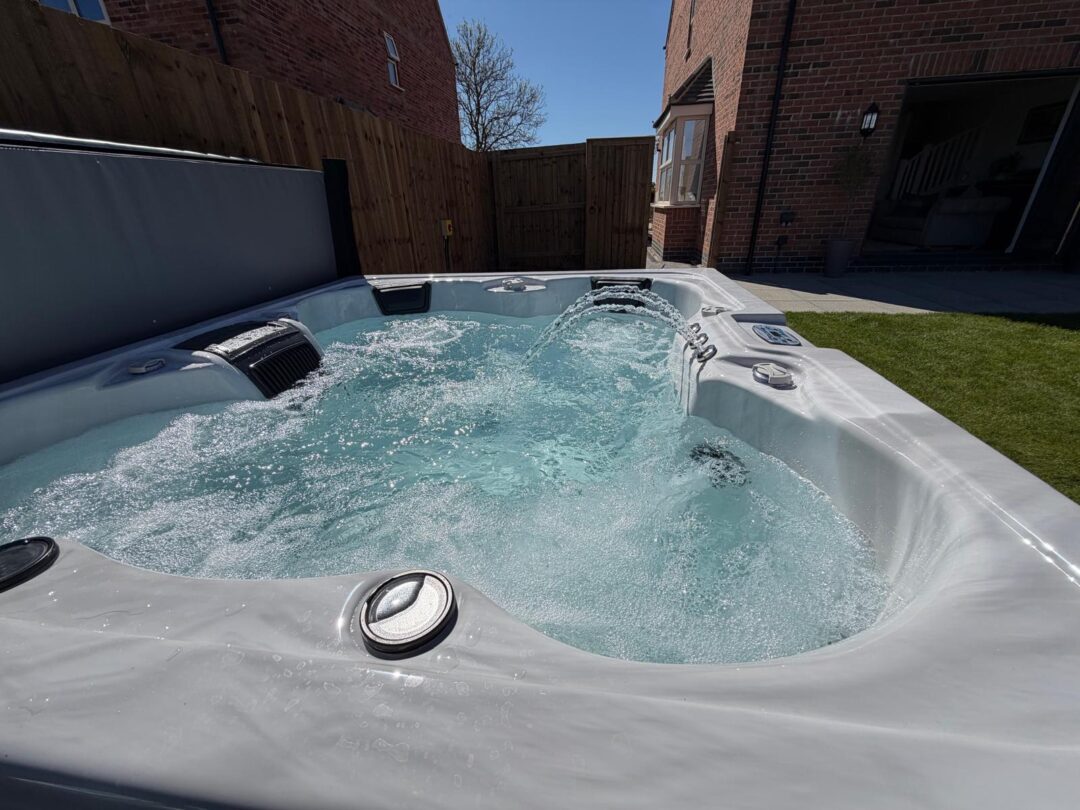
Many hot tubs have waterfalls and fountains fitted. These create a flow of water that comes high above the tub. These can be ver soothing when in use, but if left on, when a spa does it’s filtration cycle, these can turn on and push water onto the cover. Ensure you turn the flow of these down, or right off using the diverter after using your hot tub to stop water being pushed onto the cover. Sometimes having these on and the lid closed can also make it look like you’ve got a leak as the water pushes against the cover and comes out the side leaving a puddle on the floor next to your spa.
Extra protection
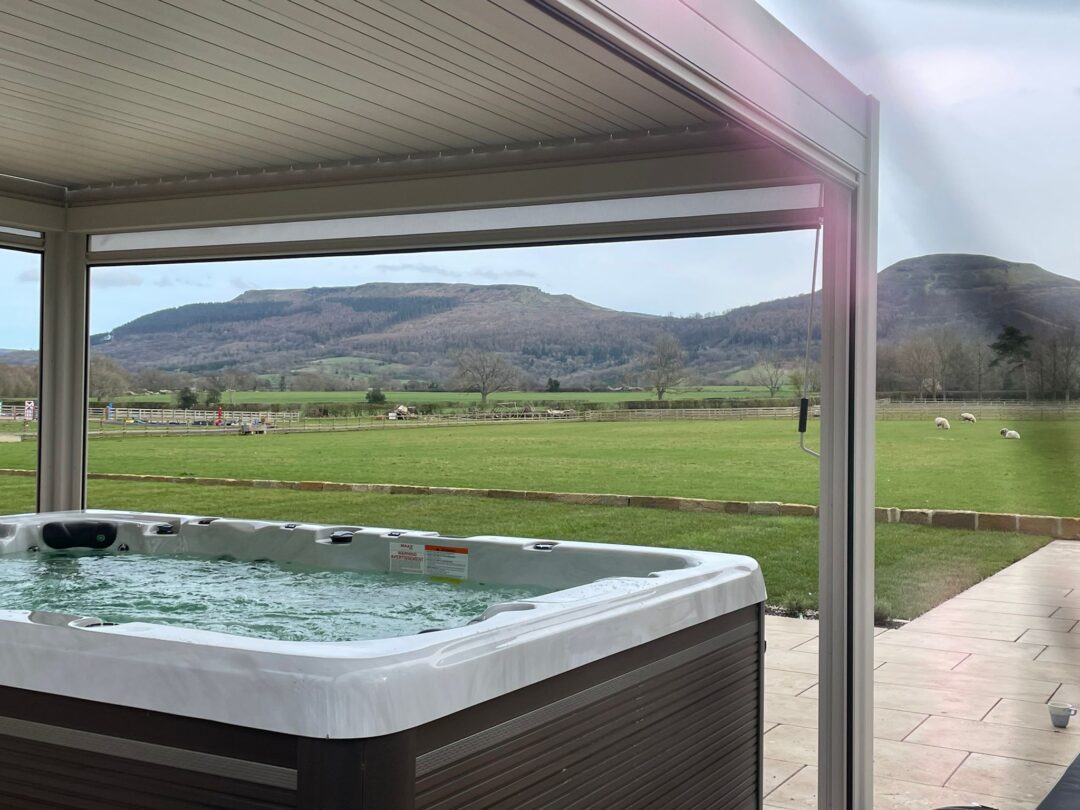
While having a hot tub cover in itself is a form of protection for your spa, you can extend the life of your cover further by adding extra protection around your spa. Think about where your hot tub is located. Add some shade to reduce the covers exposure to the sun and UV rays. Placing a pergola over the top or privacy screens can be a great way to protect your hot tub and cover from the elements and extend the life of both.
If in an exposed area, a cover cap can also extend the life of your cover.
How to clean mold & mildew
Mix two gallons of water, a teaspoon of mild dishwashing soap, and one cup of bleach. With a soft bristle brush, scrub the inside of the cover thoroughly. Then take a wash cloth and wipe down each foam core. Rinse both well. Place the encasement in the sun and the foam cores in the shade to dry. Once everything is dry, spray the cores and inside the encasement with a mildew inhibitor. Allow all to dry completely, then reassemble.
Time to replace?
Sometimes it’s obvious when to replace a cover as the fabric wears or seams start to fail. However, if you find your cover is heavy or not insulating very well it might also be time to replace it. A heavy cover is a good indication that water has penetrated into the foam and the cover is no longer doing it’s job of insulating your spa.
If you do need to replace your cover, contact our team, we can help advise on getting a replacement cover from your spas manufacturer, or support you to get a cover made to measure to perfectly fit any make and model hot tub or swim spa.
Read MoreStep by step hot tub water care guide
Owning a hot tub should be about relaxation, not a chemistry degree. We get it—nothing ruins a planned spa session like lifting the cover to find your water needs some attention. But keeping your spa pristine doesn’t have to be a chore.
The secret to a long-lasting hot tub and clear, safe water isn’t about working harder; it’s about consistency. By following a simple, rhythmic maintenance routine, you can protect your skin, save money on chemicals, and ensure your spa is always ready and safe to use. You’ll find it becomes second nature in no time.
Whether you’re a new owner with a fresh starter kit or a seasoned relaxer looking to streamline your process, this step-by-step hot tub water care guide breaks down exactly what you need to do. We’ll cover what to check after each use, and then what to check every few days, each week, month, three months and year.
After Every Use
We recommend adding 1/2 a scoop of Non-Chlorine Shock up to twice a week, to activate any free chlorine or bromine, therefore saving you money and keeping your water clear. This isn’t included in your stater kit, but is a nice to have.
TOP TIP: To prolong the lifespan of your headrests, we recommend removing them after each use. This limits how much they’re exposed to the chemicals in your water and gives them a chance to dry out. Most head rests simply pop off, and quickly pop back in again when it’s time to use your hot tub.
Every 2-3 days
Check pH Levels are at 7.2 and adjust accordingly. This is to protect your spa, skin and ensure your sanitiser works effectively.
Check Alkalinity levels are between 80-120 and adjust accordingly. This is the buffer for your pH, so if it’s not in range, your pH is less likely to remain stable.
Add your chosen Santisier (Chlorine/Bromine) if required to ensure levels are between 3-5.
TOP TIP: When adding sanitiser, do not replace the cover for at least 10 minutes. This allows the initial gas to escape. This reduces the chemical wear on your cover, and out the water components around your spa.
TOP TIP: Test strips are the most common way people at home test water chemistry. They’re a quick and cost effective way to check your water is balanced, but they’re not perfect. Poor quality strips are prone to giving inaccurate readings. We always recommend using high quality test strips to ensure best accuracy. It is also important to follow the instructions about how long to dip them for and how long to wait before reading as the colours develop and change over time. The differences in colour can also be subtle so look carefully in good light.
We only sell products we’d personally recommend, you can find the test strips we use ourselves here.
Weekly
Remove your filter(s) and clean with Instant Filter Spray and rinse well with fresh water. A clean filter performs better and will keep your tub running optimally for longer.
Clean the water line are your spas shell with a Dura Mitt or microfibre cloth.
Top up the sanitiser dispenser if you are using one. If you’re not we would recommend you do. They are by far the easiest way to dose your spa and maintain an constant level of sanitiser (chlorine or bromine) in your water. Various types are available including floating dispensers and in line dispenser which fit inside your filters (depending on your make and model).
Add Anti Scale & O-Care.
TOP TIP: Let your filters dry. We suggest you have a spare set of filters and alternate them. This means you can put a clean filter straight into your hot tub so no debris circulates while you clean. This also allows the filter to fully dry after cleaning before placing back in the spa which resets the filter fibres and kills resilient microorganisms
Monthly
Deep clean your filter, or filters. To clean, remove your filter, or filters. Soak filters overnight in some filter granules. A dedicated filter cleaning bucket can make the task easier by being the perfect shape and size for filters, reducing mess and chemical use.
TOP TIP: Download the O-Care App for handy hints and hot tub care reminders.
Quarterly
Use a dedicated hot tub cleaner (often referred to as ‘flush‘) before draining the spa. This helps clean inside your hot tub where you can’t see. Then rinse shell and refill.
When you refill it is important to do so through the filter housing, with the filters out. This minimises the chances of creating an air lock in the system.
We recommend using a Purestream pre-filter when filling your spa, especially in hard water areas, to help fight scale build up.
TOP TIP: Remove your filters whilst running the flush through the system to allow it to pass through the pipework effectively.
Annually
It is time for your Annual Service, to prolong the life of your spa and maintain the warranty.
At the end of the day, hot tub water care doesn’t have to be a complex chore, it’s all about staying consistent. By spending just a few minutes each week on these simple steps, you aren’t just keeping your water sparkling; you’re protecting your investment and ensuring your home spa remains the stress-free sanctuary it was meant to be. Save this guide, keep your test strips handy, and enjoy the peace of mind that comes with a perfectly balanced soak!
Read MoreDiscover Icelandic Wellness
Developed in the USA, Icelandic Wellness bring together decades of experience in hot tubs, hydrotherapy, wellness and recovery to create high performance hot tubs, swim spas, ice baths and more. A focus on modern styling paired with hydrotherapy for recovery gives this brand a unique edge.
GPM, the manufacturing experts behind Icelandic Wellness, launched in 2020 after bringing together some of the best industry experts in America across all elements of hot tub engineering, manufacturing, hydrotherapy, wellness and customer care.
What Makes Icelandic Wellness Different?
Expert Engineering & Advanced Features
Engineered in America, Icelandic Wellness spas harness powerful jet technology to deliver high performance hydrotherapy experiences. The spas feature a diverse range of jet types, each meticulously designed to provide a specific variety of massage, from deep-tissue kneading to gentle pulsing.
Their commitment to innovation is showcased through their unique geyser and whirlpool jet systems, which create powerful, high-volume water movement for a truly immersive and theraputic treatment.
Icelandic Wellness’ dedication to recovery is reflected in their specialised contrast therapy products, combining American engineering precision with the latest in wellness science. By integrating these advanced systems, Icelandic Wellness ensures that every spa provides a high-performance, customisable massage that sets the standard for modern hydrotherapy.
Tailored Hydrotherapy
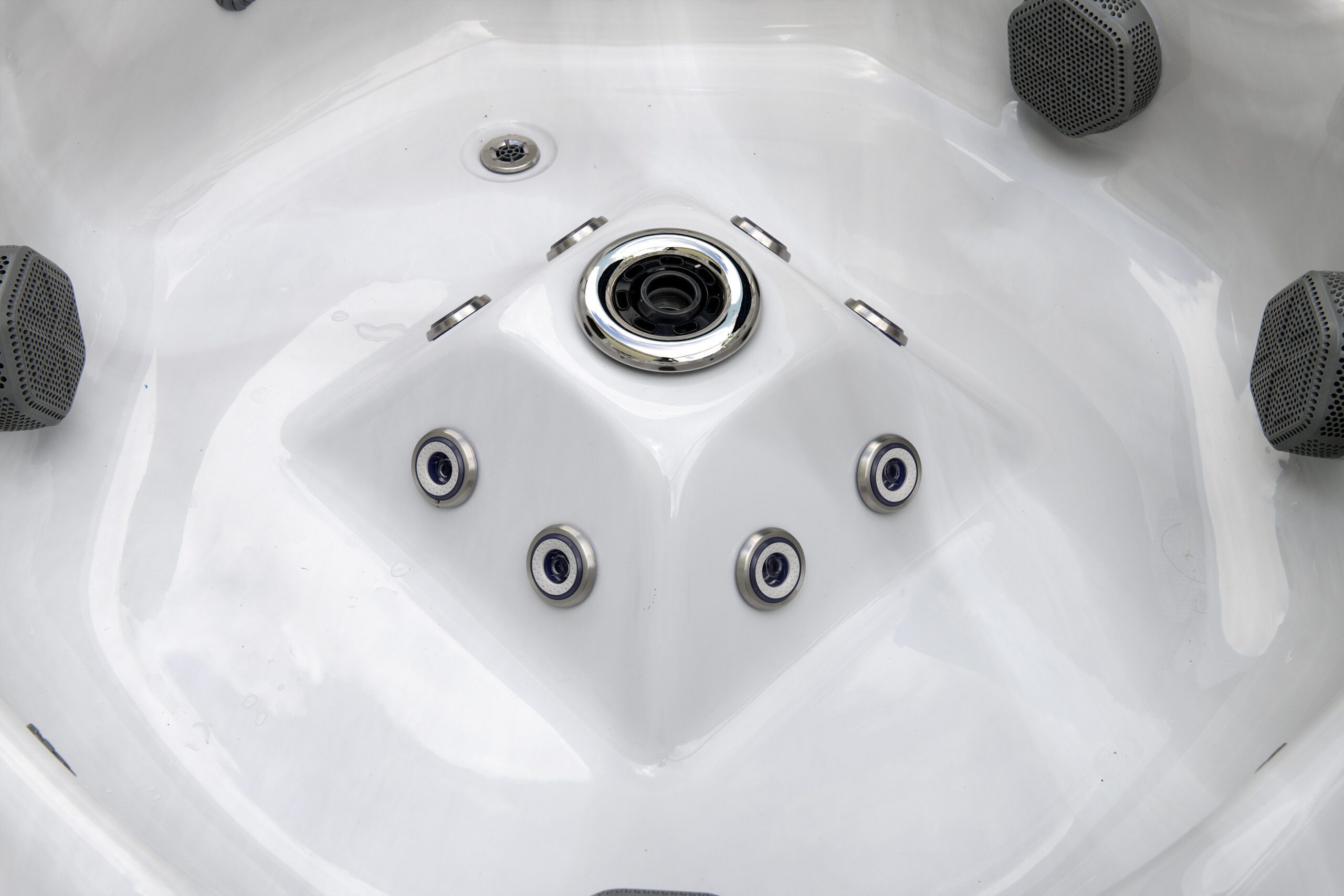
Icelandic Wellness spas utilise advanced anatomical targeting to deliver a premium massage through the careful placement of jets that focus on specific muscle areas. We believe that true hydrotherapy is defined by precision rather than jet count. By positioning the ideal jet size and massage action exactly where they are most effective, the jets work to alleviate pain and stiffness across the entire body.
Developed with a focus on recovery and wellness, their seating is ergonomically engineered. This careful alignment ensures full-body immersion and correct posture for different body shapes and sizes, allowing the jets to perform at their peak while reducing stress for a restorative experience.
All Round Comfort
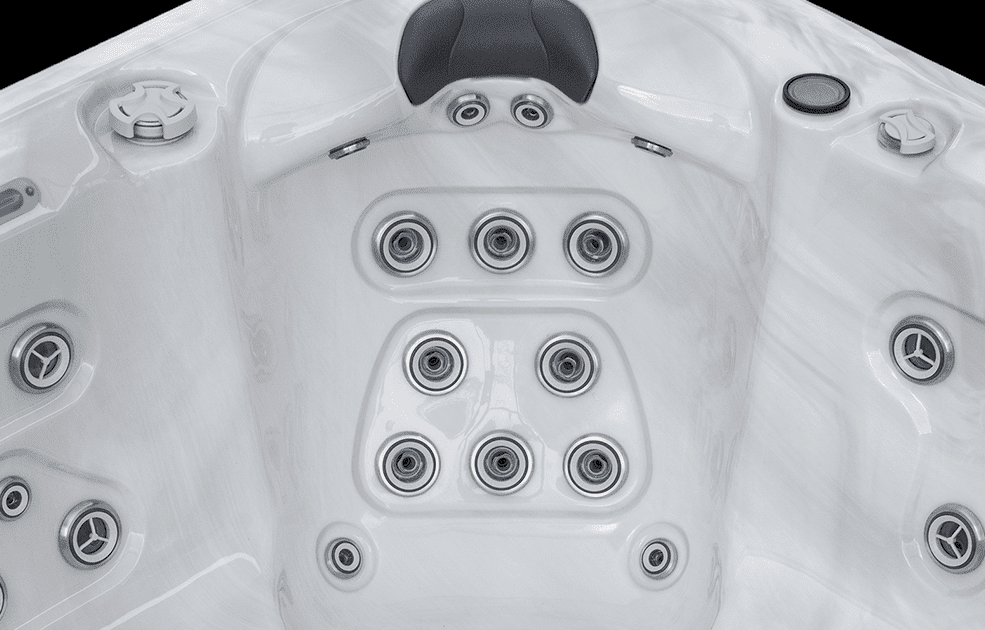
Dedicated neck massage systems across their premium hot tub range are designed to provide deep relief where tension often builds most. The reverse-moulded collar supports your neck by gently cradling the head, allowing adjustable jets to precisely target the neck and shoulder muscles.
Complemented by premium, soft-touch headrests in various seating positions, this system ensures you can fully relax into the water, supported by cushioning that is as comfortable as it is therapeutic.
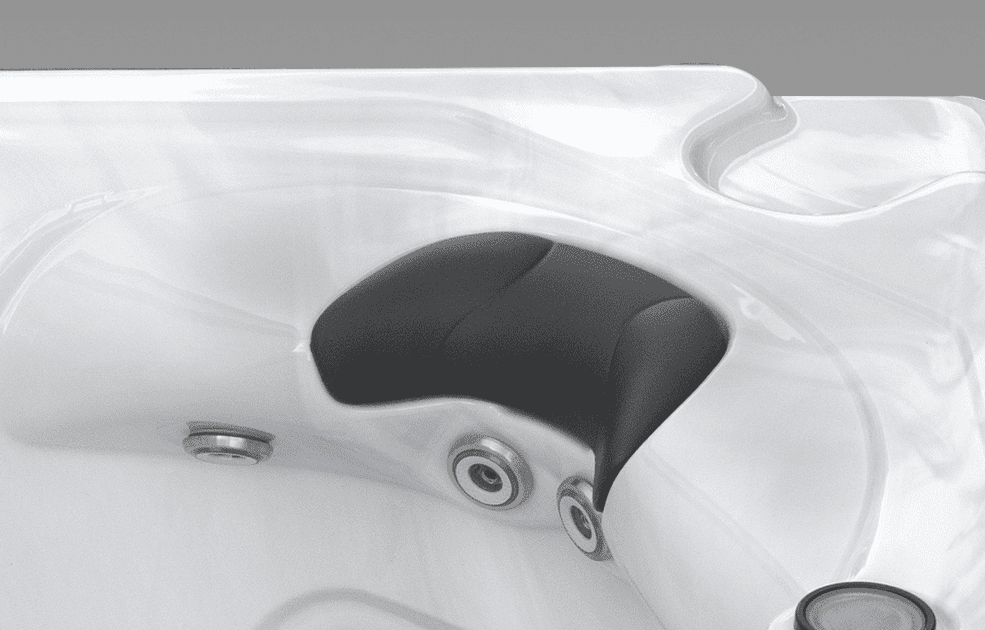
Built To Last
Each Icelandic Wellness hot tub, ice bath, and swim spa is built on a robust frame made of either stainless steel or galvanised steel. These corrosion-resistant frames give you peace of mind for years to come, knowing that your spa is supported by an industrial-grade foundation designed for maximum longevity. This high-strength metal architecture provides exceptional structural rigidity, ensuring the cabinet remains perfectly aligned and the internal components stay securely in place over decades of use. By utilising the same materials found in modern construction, Icelandic Wellness offers a maintenance-free framework that stands up effortlessly to the elements, providing a rock-solid base for your daily wellness ritual.
Robust frames are paired with high-grade, thick American acrylic for their shells, from one of the main hot tub acrylic specialists. Finished off with industry leading control systems for long term reliability.
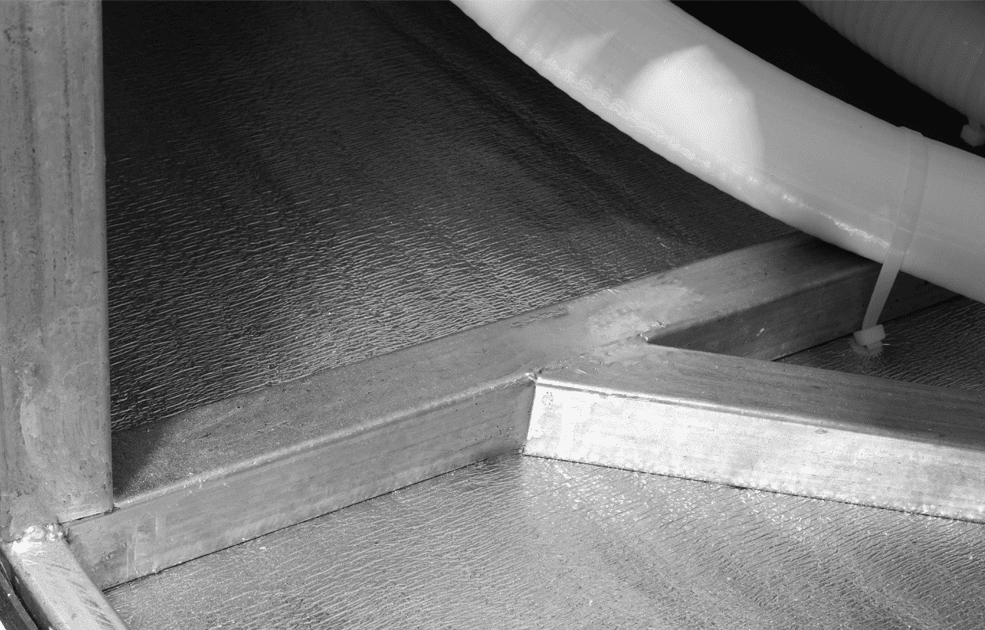
Dual Insulation Technology
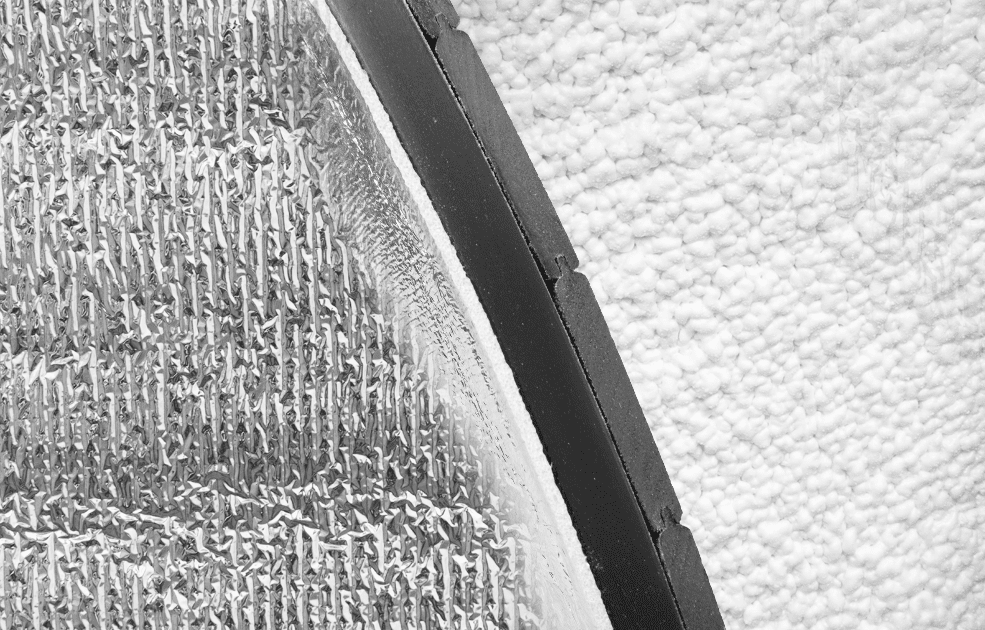
Each Icelandic Wellness spa features advanced Dual Insulation Technology, a sophisticated thermal barrier designed to keep your water at the perfect temperature year round. By combining high density foam-insulated shells with HeatLock foil insulated cabinets and floor protection, they create an environment that significantly reduces energy consumption. The cabinet insulation reflects radiant heat back toward the spa water, shell and internal plumbing to ensure the entire system retains its warmth. This comprehensive approach to heat retention means your spa stays ready for use at a moment’s notice while keeping your running costs impressively low, regardless of the weather outside.
Future-Proof Efficiency: Heat Pump Ready
Every Icelandic Wellness spa comes standard as “Heat Pump Ready,” offering you the ultimate flexibility in energy management. This means the specialised plumbing required to integrate an external heat pump is already factory-fitted and tested, eliminating the need for aftermarket plumbing modifications down the line. By having this infrastructure pre-installed, we can seamlessly connect a heat pump to further reduce energy costs and maximise efficiency whenever you choose. The technical complexity is handled at the factory level, ensuring that upgrading your system is simple, cost-effective, and perfectly integrated into the existing high-performance architecture of your spa.

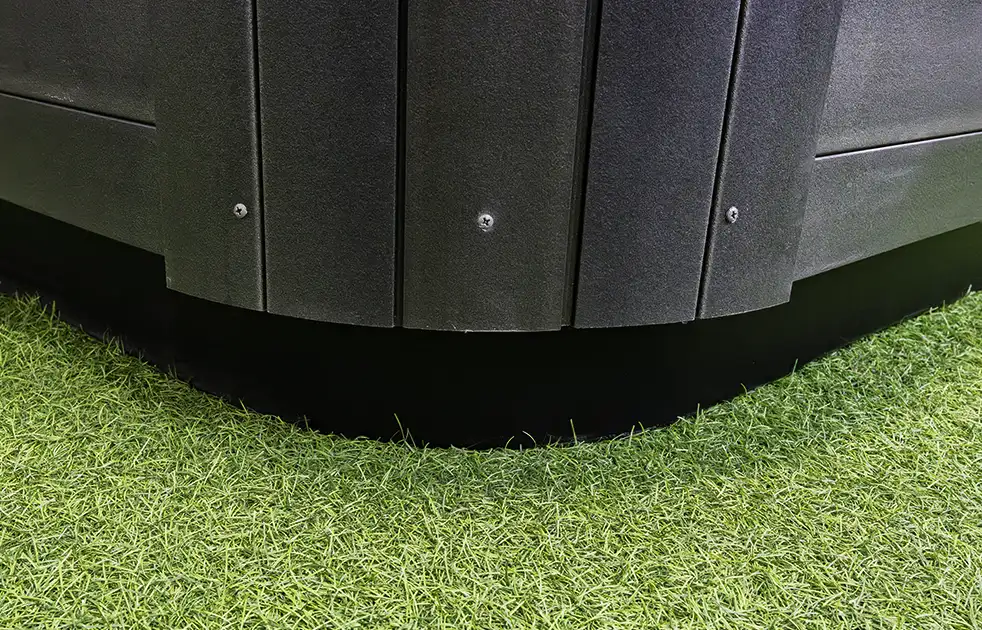
ABS Sealed Base
The ABS sealed base is a vital component of the Icelandic Wellness support system. Its seamless, single-piece construction provides a rugged foundation that adds an extra layer of thermal insulation to the floor, effectively trapping heat within the cabinet. This specialised barrier also acts as a permanent shield, keeping ground moisture and pests out of the internal structure to ensure your spa remains clean, dry, and efficient.
Shield Insulating Cover
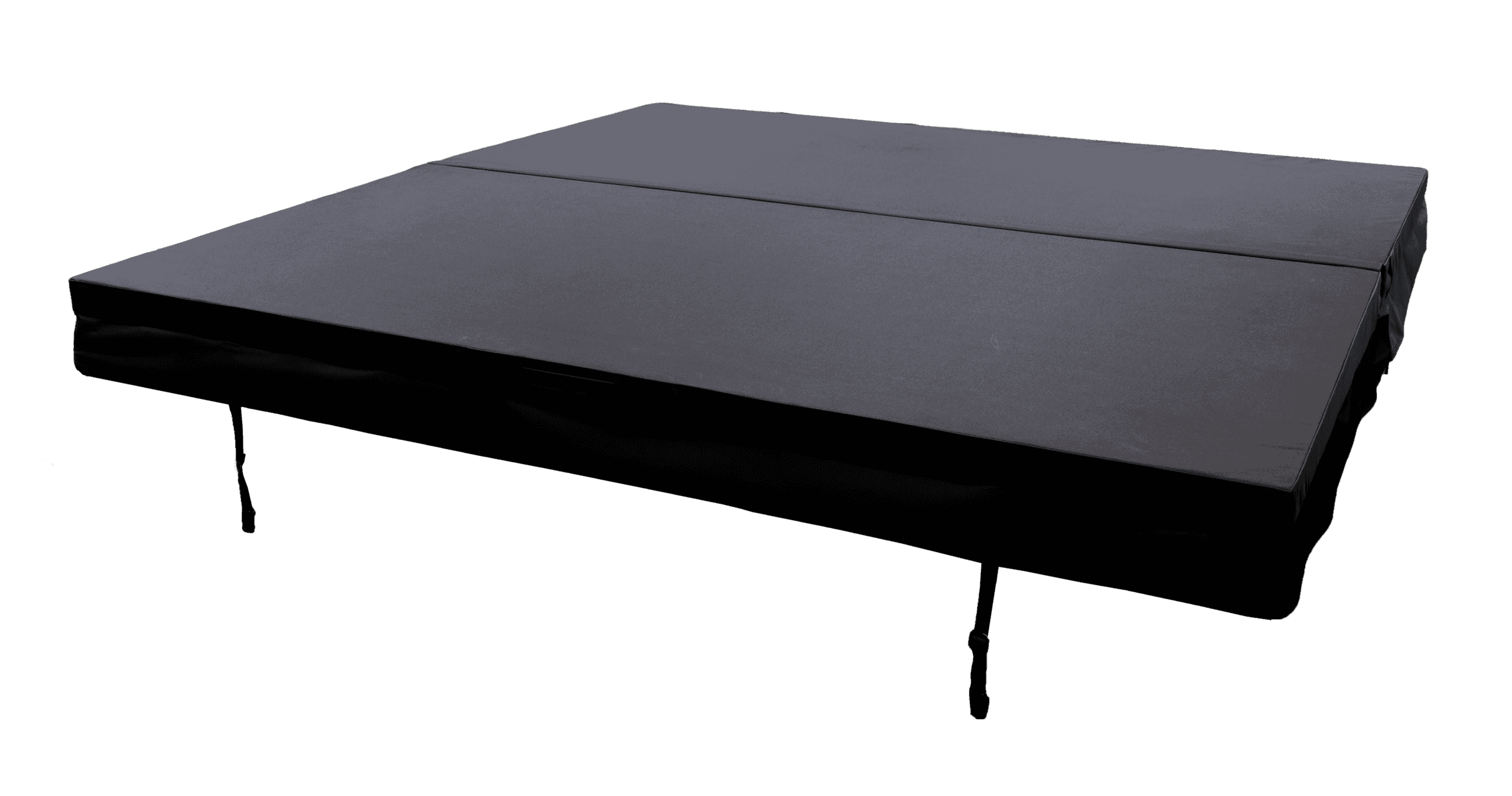
Insulating and covering your hot tub is extremely important. Icelandic Wellness’ performance insulating covers feature a tough woven polyester cover material withstands harsh weather while remaining light in weight. Strong stitching result in long-term durability with less tear-outs. Each cover includes straps with clips so you can safely secure your cover.
The covers are tailored for every spa model shape and size, giving superior insulation across the range.
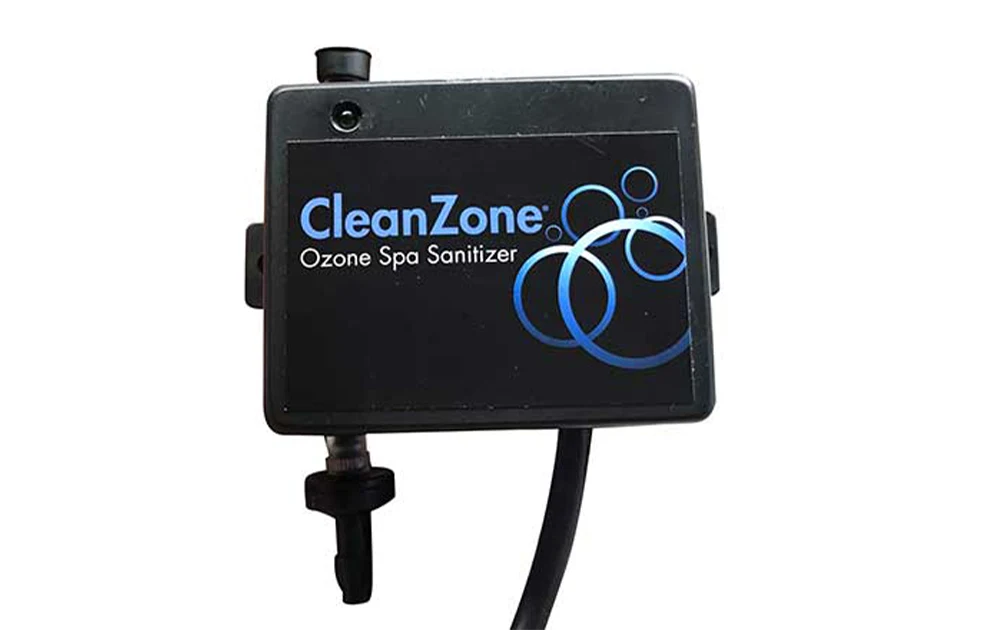
CleanZone
The OZone water purification system will keep your water healthy and clear, cutting down on chemical upkeep. OZone is a cartridge oxidiser that produces oxygen and purifies your hot tub water.
Icelandic Wellness spas are built to last, offering a premium blend of luxury, comfort, and therapeutic excellence. Whether you are seeking a sanctuary to unwind, looking to alleviate pain through precision hydrotherapy, or wishing to share quality moments with family and friends, these spas provide the perfect environment. Through their marriage of American engineering, modern global manufacturing and advanced technology, every model is designed for peak performance and longevity. From the industrial-grade steel frames and dual insulation to their ergonomic seating and innovative jet systems, Icelandic Wellness delivers a premium hot tub experience that sets the standard for durability and restorative care.
Read MoreA Beginner’s Guide to Table Shuffleboard
Whether you’re looking to anchor your ultimate home game room or just want a way to settle family scores that doesn’t involve a screen, table shuffleboard is making a massive comeback with popularity booming in the UK. It’s the perfect blend of high-stakes strategy and low-stress fun…think of it as “chess at 20 miles per hour.”
But before you send your first puck sailing down the wood, there’s more to the game than just a steady hand. From choosing the right shuffleboard table size for your space to mastering the “hammer” (that crucial final shot), getting started requires the right gear and a little bit of know-how.
In this guide, we’ll break down the basics of gameplay, the essential shuffleboard accessories you need to keep your board slick, and why a quality table is the best investment you’ll make for your home entertainment this year.
Ready to Play?
If you’re looking to skip the line and get a quality setup delivered to your door, check out our range of shuffleboard tables. We’ve hand-selected models that balance durability with that classic “pro-circuit” glide.
1. The Basics of Scoring: Chasing the Hanger
Shuffleboard is a game of incredible precision where the objective is to slide your pucks further than your opponent without them falling into the gutter. Most matches are played until a player or team reaches a total of 15 or 21 points.
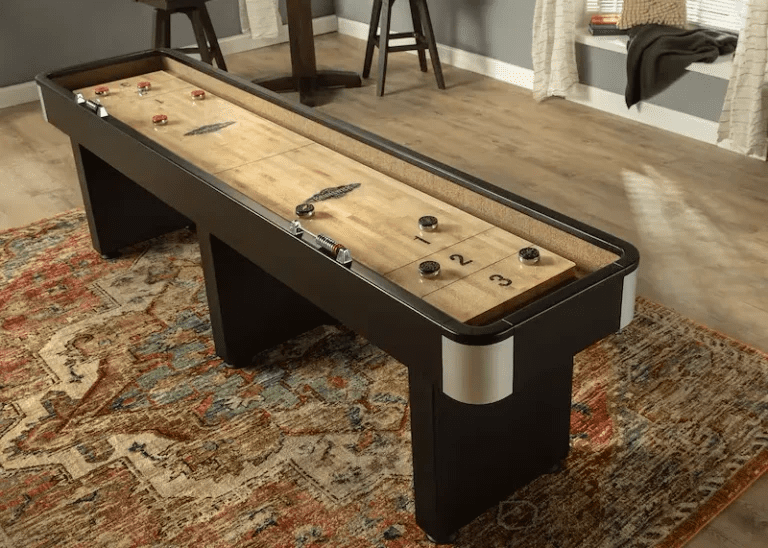
- The Scoring Zones: Points are awarded based on where your weight comes to a rest. If it stops past the first line it earns 1 point. Crossing the second line earns 2 points and reaching the final section earns 3 points.
- The Hanger: This is the most coveted shot in the game. If your puck sits partially over the far edge of the board without falling into the trough it is worth 4 points.
- The Hammer: In shuffleboard the last player to shoot in a round holds the hammer. This is a significant tactical advantage because it allows you to knock an opponent out of a high scoring position or nudging your own pucks further forward at the final moment.
Only the player whose puck is furthest down the board scores points for that round. If you have two pucks further ahead than any of your opponent’s pieces then both of those scores are added to your total. It is a simple system that creates intense competition and keeps every player focused until the very last slide.

For a more detailed explanation of how to play and scoring examples, watch our video below.
2. The Secret is in the Wax
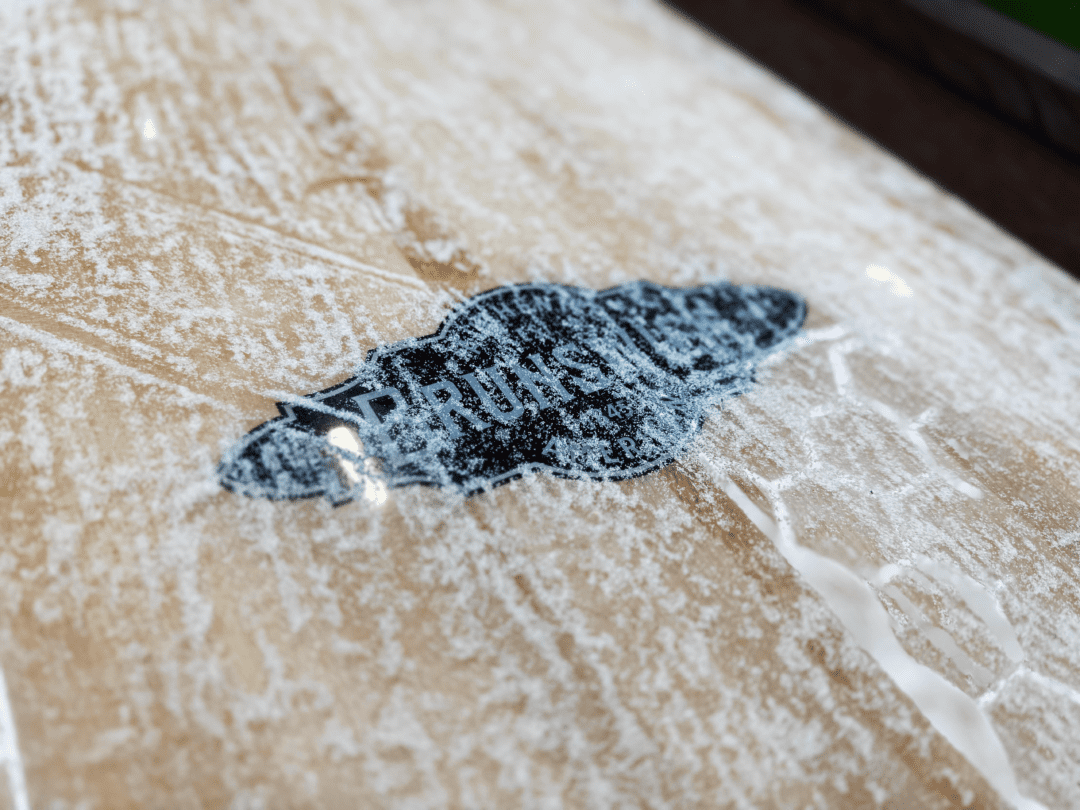
If you have ever wondered why those pucks glide so effortlessly, the answer is not the wood alone. The true magic lies in the shuffleboard wax, which is often referred to as powder or sand. These tiny silicone beads act like miniature ball bearings between the puck and the table.
Without the wax beads, your game will be sluggish and frustrating. We recommend choosing a speed that matches your skill level. A “slower” powder offers more control for beginners, whilst a “fast” powder provides that lightning quick professional experience. Keeping a fresh tin of wax nearby is the easiest way to maintain your table and ensure every match feels like a tournament final.
3. Size Matters: Finding the Perfect Fit
Choosing the right size is the most important decision you will make when browsing our collection. Whilst a full size professional board measures 22 feet, most UK homes and luxury games rooms find that a slightly more compact version is the ideal choice.
- 9 to 12 Foot Tables: These are the most popular choices for home use. They fit comfortably into most converted garages or games rooms without sacrificing the quality of play.
- 14 to 16 Foot Tables: If you have a larger open plan space, these intermediate boards allow for more strategic long distance shots.
- The Clearance Rule: Always remember to leave a couple of feet of walking space at both ends of the table. You need room to lean in and aim that winning shot.
4. Your Games Room
A shuffleboard is a perfect addition to any games room. People often paired with a pool table or archade games. Their slim, long profiles make them easy to fit in and add another dimension of play.
Check out our full games room offering inlcluding high quality shuffleboard tables here.
Read More